
The Perfect Pizza Recipe
The gap between a good homemade pizza and a great one is smaller than most people think — and it’s not about specialist equipment or unusual ingredients. It’s about flour choice, kneading time, oven temperature and a decent sauce. Get those four things right and a domestic oven produces something genuinely impressive.
This recipe has been developed and refined over many years. The starting point was a session with a friend who made genuinely excellent pizza at home — he had worked out a few key techniques that most recipes don’t mention. This is the current version, the one I make most often and the one that consistently impresses people who assume good homemade pizza isn’t possible without a wood-fired oven.
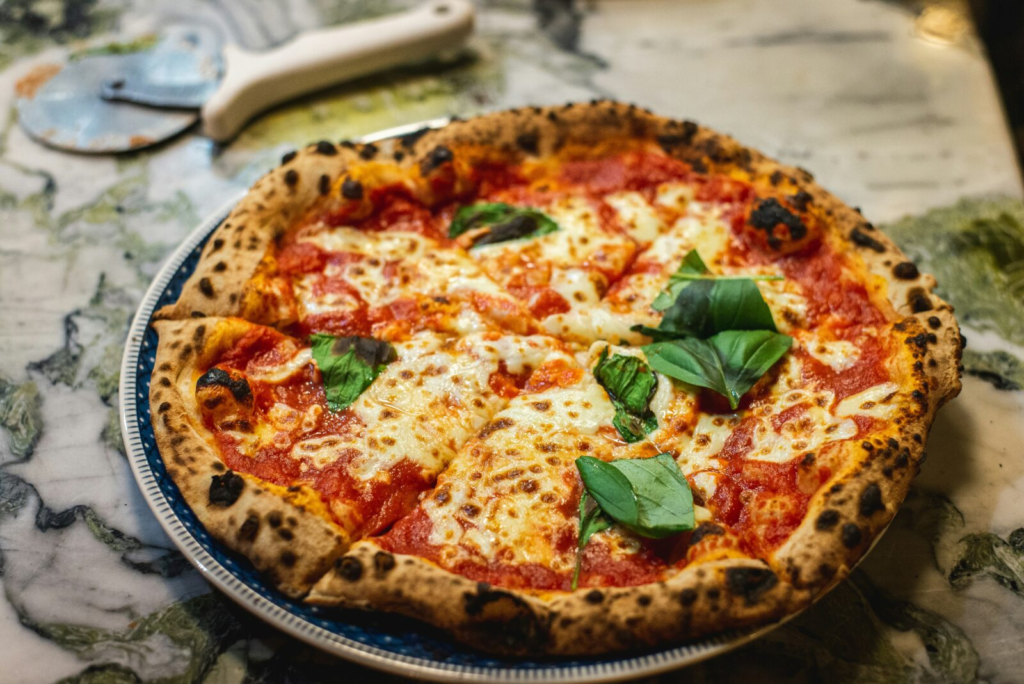
It makes four 10-inch thin-crust pizzas — enough for 4 people or 2 hungry ones.
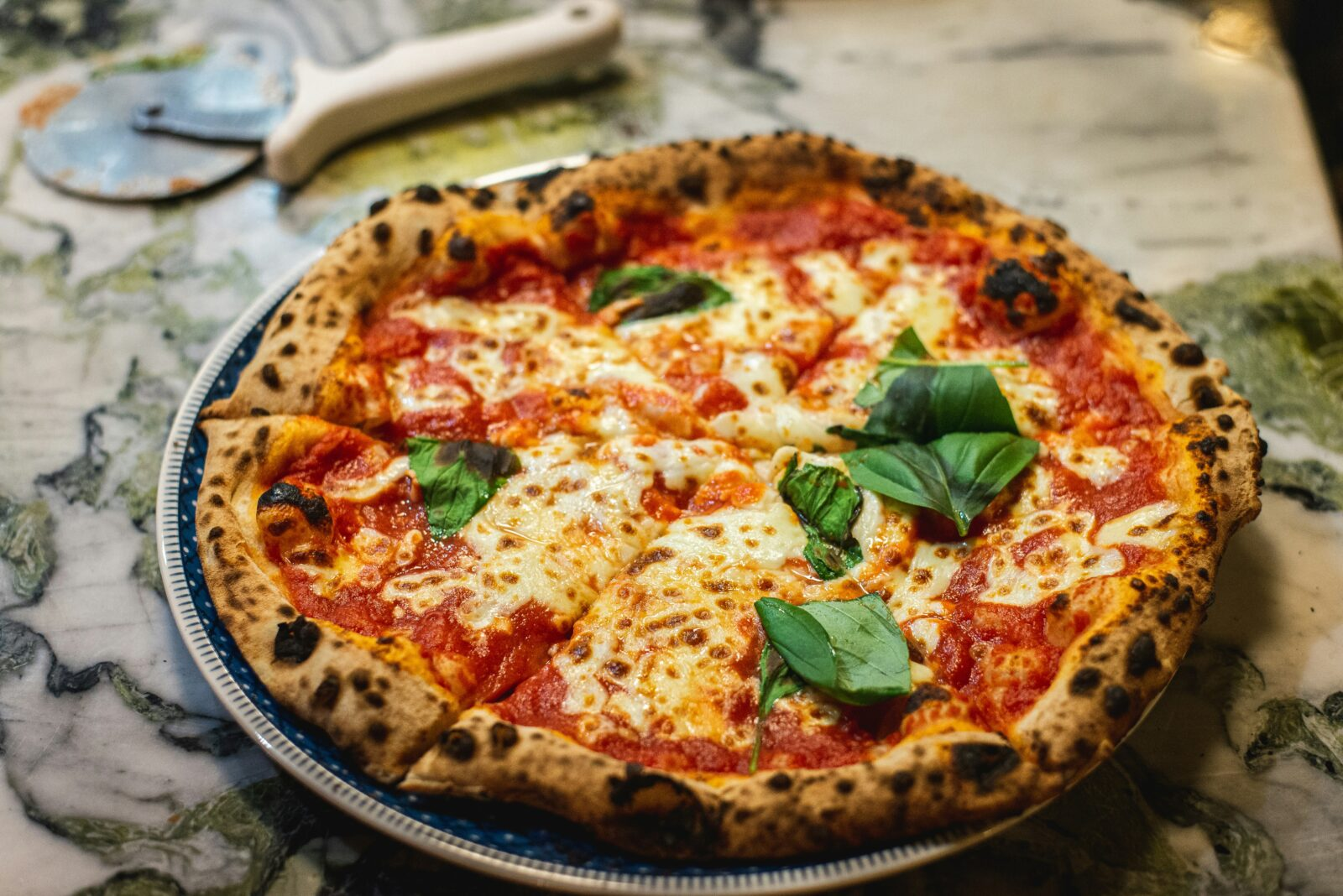
The Perfect Homemade Pizza
Ingredients
Method
- Mix the tipo 00 flour, semolina and salt together in a large bowl. Make a well in the centre.
- Mix the warm water with the yeast and honey until dissolved. Pour half into the well in the flour.
- Start mixing the flour from the edges of the well into the liquid. Gradually add the remaining water as you mix until all the flour is incorporated and a rough dough forms. Add a little extra flour if too sticky or a splash of water if it's crumbling.
- Turn out onto a lightly floured surface and knead for 10 minutes until the dough is smooth, elastic and springs back when poked. This is the most important step — don't skimp on the kneading time.
- Shape into a ball, dust lightly with flour, cover with a clean tea towel or cling film and leave somewhere warm for approximately 1 hour until doubled in size.
- While the dough proves, make your spicy pizza sauce.
- Preheat your oven to its absolute maximum temperature — 250°C or higher — with a pizza stone or heavy baking tray inside. Allow 30-45 minutes for the stone to get properly hot.
- Once the dough has doubled, knock back with a quick 2-minute knead, then divide into 4 equal pieces.
- Roll each piece out on a lightly floured surface to approximately 10 inches diameter, as thin as you can get it without tearing.
- Transfer each base to a sheet of baking parchment. Add sauce, mozzarella and toppings.
- Slide the pizza on its parchment onto the hot stone or tray and bake for 7-10 minutes until the crust is golden and blistered and the cheese is bubbling and starting to colour.
Notes
- Tipo 00 flour gives the best results. It is finer milled than strong bread flour, it produces a lighter and more authentic base. Available from most Italian delis, larger supermarkets and online.
- The semolina adds crunch to the base and prevents sticking. Do not leave it out
- The honey feeds the yeast and adds a very slight sweetness to the dough that balances the acidity of the tomato sauce
- Cold prove option: make the dough the night before, shape into a ball, cover and refrigerate overnight. The long slow prove improves flavour significantly. Remove from fridge 30 minutes before shaping
- The dough freezes well after rolling out. Stack between sheets of baking parchment, wrap tightly and freeze for up to 3 months. Cook from frozen directly on a hot stone
The Flour: Why Tipo 00 and Semolina
Most pizza dough recipes you find online will call for strong bread flour. This produces a decent result but the texture is noticeably different from a genuine Italian pizza base which is chewier yet still crispy.
Tipo 00 flour is a very finely milled Italian flour with a lower gluten content than strong bread flour. When kneaded properly the gluten network it forms is easier to stretch thin without springing back and with a lighter, more tender crumb. The name “00” refers to the fineness of the milling rather than the protein content. It is available from most Italian delis, larger supermarkets (often in the specialist flour section) and online.
Semolina. The 20% semolina in this recipe does two things. It adds texture to the base (a slightly sandy crunch that prevents the soggy bottom problem common with home pizza which are cooked at lower temperatures than a dedicated pizza oven) and it also helps prevent the base sticking to the parchment or stone. Don’t substitute it. The combination of 00 and semolina is specifically what makes this recipe work.
If tipo 00 is genuinely unavailable, strong white bread flour works as a substitute. The result is slightly chewier but still very good.
The Kneading : This Is Where Most People Give Up Too Early
Ten minutes of proper kneading is non negotiable. The kneading develops the gluten network that gives the dough its elasticity and ultimately produces the characteristic chew of a good pizza base.
For proper kneading, push the heel of your hand into the dough, fold it over itself, rotate 90 degrees and repeat. The dough should go from rough and slightly sticky to smooth, elastic and slightly glossy over the ten minutes. At the end it should spring back immediately when you poke it with a finger. This is the gluten network working as it should and tells you the dough is ready.
If you have a stand mixer with a dough hook, 8 minutes on medium speed produces the same result with significantly less effort.
The Cold Prove: The Secret to Better Flavour
The recipe gives a standard one-hour warm prove which produces a perfectly good result. But if you have time, the cold prove method produces noticeably better flavour.
Make the dough the night before. After kneading, shape into a large ball, place in a lightly oiled bowl, cover tightly with cling film and put in the fridge overnight or for up to 24 hours. The slow cold fermentation develops more complex flavour compounds in the dough. Remove from the fridge 30-60 minutes before shaping.
The Pizza Sauce
The sauce we almost always use is covered in full in our spicy pizza sauce recipe. Passata with fresh tomatoes, a whole chilli simmered through it, garlic and basil. You can easily make it while the dough is proving, it takes 20-30 minutes and can be made ahead and refrigerated for 3-4 days.
The key point: the sauce should be thick enough to spread without running off the edges. A watery sauce makes soggy pizza regardless of how good the dough is. If your sauce looks thin, reduce it for another 5 minutes.
The Oven and Pizza Stone: The Single Biggest Improvement
A domestic oven maxes out at 250-280°C. A typical wood-fired pizza oven runs at 400-500°C. The higher the temperature the faster the pizza cooks and the better the final result. Fast high-heat cooking produces a crispy, blistered base with charred edges and perfectly cooked toppings. Long low-heat cooking produces a pale, leathery base.
Use a pizza stone. A pizza stone preheated in a very hot oven for 30-45 minutes stores and releases heat more efficiently and evenly than a metal baking tray. The sudden blast of heat from the stone as the pizza goes on is what produces the blistered, slightly charred base that makes good pizza distinctive. Pizza stones are available on Amazon UK →
If you don’t have a pizza stone: a heavy cast iron pan or thick baking tray preheated in the oven works reasonably well. Granite from a stone merchant (cut to fit your oven) is the budget alternative and works excellently.
The baking parchment technique: Roll out your base, transfer to a sheet of baking parchment, add your sauce and toppings, then use the parchment to slide the whole pizza onto the hot stone quickly. This allows you to do all the topping work without the pizza being on the hot stone (where the base would start cooking immediately) and lets you open the oven for the minimum possible time.
Topping Ideas: Led by The Chilli King Favourite
The Classic Margherita
The benchmark and the true test of the dough and sauce quality. Torn mozzarella, a few basil leaves added after cooking, a drizzle of olive oil. Nothing else. If the dough and sauce are good this is one of the most satisfying things you can cook at home.
Salami and Chilli: Our Personal Favourite
This is the combination I return to most often. The combination of spiced cured meat and chilli heat on a well-made pizza base is one of the great simple pleasures in life.
Lay thin slices of Italian salami (Milano or Napoli, the latter being spicier) over the mozzarella before cooking. Add finely sliced fresh red chilli (a cayenne or bird’s eye depending on your heat preference) scattered over the top. The salami crisps slightly at the edges during cooking, the chilli chars lightly where it sits on top of the cheese, and the fat from the salami melts into the sauce creating something genuinely outstanding.
For extra heat, add a drizzle of our homemade chilli oil over the finished pizza immediately before serving. Or a few drops of our sweet chilli sauce for something sweeter.
The heat level is entirely in your hands – mild cayenne rings give background warmth, whole bird’s eye chillies give genuine fire. Use your own homegrown chillies if you have them, this is one of the most satisfying uses for fresh chillies from the garden.
Wild Mushroom
Sautéed mixed mushrooms (chestnut, oyster, porcini if you can find them) spread over the base with mozzarella, a little garlic and fresh thyme. A white pizza (no tomato sauce) or with a very thin layer of sauce. Outstanding.
Anchovies, Olives and Capers
The puttanesca pizza – intensely savoury with the combined punch of anchovies, black olives and capers over the tomato base. A small amount of fresh chilli finishes it perfectly. Not a pizza for the timid but one of the best.
The Pizza Tips That Make the Difference
These are the specific details that separate average homemade pizza from genuinely impressive pizza:
1. Maximum oven temperature. This is the most important part of cooking homemade pizza. Preheat the oven for at least 30 minutes on the highest setting before the first pizza goes in. The oven drops temperature every time you open the door so allow 5 minutes recovery between pizzas.
2. As thin as possible. The genuine Italian thin-crust style requires rolling much thinner than most people are comfortable with. If you can see daylight through the base you’ve gone too far. Just below that is about right. Thick bases are the most common mistake in home pizza making.
3. Don’t overload the toppings. This is another common mistake. A heavily loaded pizza takes longer to cook, produces a soggy base and overwhelms the flavour of the dough and sauce. Three to four toppings maximum on a thin base. Less is genuinely more. If you can increase the quality of your toppings and reduce the quantity.
4. Add some toppings after cooking. Fresh basil, rocket, extra olive oil, our classic chilli oil and finely grated hard cheese (Parmesan or Pecorino) are all better added after the pizza comes out of the oven. The residual heat from the pizza wilts basil perfectly without destroying it.
5. Let the pizza rest for 2 minutes before cutting. The cheese and sauce continue cooking and setting for a minute or two after it comes out of the oven. Cutting immediately produces stringy, slipping cheese and running sauce.
Making and Freeze Pizza Dough in Batches
This recipe makes four pizzas. If you’re only feeding two people, the extra dough freezes brilliantly. There are two ways you can do it.
1. Freeze the Pies. Roll the remaining dough out to pizza base size, stack between sheets of baking parchment, wrap tightly in cling film and freeze. It keeps well for up to 3 months.
To cook from frozen: place directly onto the preheated stone, add sauce and toppings and cook for 12-14 minutes (slightly longer than fresh dough). The result is genuinely very good.
As Denis in our comments discovered, frozen pizza bases are one of the most useful things to have in the freezer. A homemade pizza from frozen base to table in 15 minutes is one of the better quick dinner options available.
2. Freeze the dough balls. Before rolling out the dough into bases, shape it into individual dough balls. Place these on a floured baking tray and place into the freezer until frozen. Once frozen you can remove them from the tray and place them into a freezer/ziplock bag which takes up less freezer space. Prior to using them remove from the freezer and allow to defrost for 1-3 hours before rolling out into your bases.
FAQ
Can I make the pizza dough in advance?
Yes. The cold prove method (in the fridge overnight) actually produces better dough than the quick warm prove. Make the dough the night before, refrigerate in a covered bowl, remove 30 minutes before shaping. The flavour is more complex and the texture slightly better. It also means less work to do on the day.
Can I freeze pizza dough?
Yes. Freeze either as individual dough balls or after rolling out rather than in a ball. Stack rolled bases between sheets of baking parchment, wrap tightly and freeze for up to 3 months. Cook directly from frozen adding 3-4 minutes to the cooking time.
My pizza base keeps springing back when I try to roll it. What do I do?
The gluten needs to relax. Cover the dough and leave it for 5-10 minutes then try again. Alternatively roll it partway, leave it to rest, come back and roll further. Don’t force it. Tearing is worse than a slightly thicker base.
Can I make this without a pizza stone?
Yes. A a thick heavy baking tray preheated in the oven is the best alternative. It won’t retain heat as well as a stone but produces a good result. A cold baking tray produces significantly worse pizza so always preheat whatever you’re cooking on.
What’s the best mozzarella to use?
Fresh buffalo mozzarella gives the best result but is expensive and wetter than cow’s milk mozzarella, you need to tear it and let it drain on kitchen paper for 30 minutes before using to prevent a wet pizza. Fior di latte (cow’s milk fresh mozzarella) is a good middle ground. Pre-grated mozzarella is convenient but melts differently and doesn’t give the authentic stringy, bubbled result.
How hot should the oven be?
As hot as it will go, typically 250-280°C for a domestic oven. The hotter the better. Preheat for at least 30 minutes. The pizza stone needs the full preheat time to store enough heat.
Related Recipes
How to Make Great Pizza at Home: The Sourdough Method. Our advanced version using sourdough starter. More prep time, significantly better result.
Spicy Pizza Sauce Recipe. The sauce that goes with this dough. Made in 20 minutes with fresh chillies, passata and basil. Far better than anything from a jar.
Chilli Oil Recipe. Drizzle over a finished pizza for an extra chilli dimension. One of the best uses for homemade chilli oil.
Sweet Chilli Sauce Recipe. A few drops over a salami and chilli pizza just before serving is an outstanding combination.
Habanero Hot Sauce. For those who want serious heat on their pizza.
Scotch Bonnet Sauce. The hottest pizza condiment option. Not for the faint-hearted.
Easy Pizza Recipe. Our quicker pizza approach when you don’t have time for the full proving process.
Interesting Scott – I have been experimenting with making bread over the last couple of weeks and have a recipe that is verging on perfect (i’ll post it in the next few days!). Key to the recipe is a longer proving time to make the bread more glutenous (stretchy). I guess your approach of reproving works on the same theory – i’ll give it a go and report back.
The dough does improve when kept in the frisge for a little while. I\’ve also taken to reproving them by putting them on the stone on top of the oven for a little while before cooking
yes – you can freeze the dough once it has been rolled out. then simply add your sauce onto the frozen base and pop straight in the oven.
let us know how you get on with this!
will the dough keep in the freezer?
I second the idea of leaving the dough in the fridge for a while.
And hi! Am subscribing to your RSS. I just got myself a baby habanero plant, and am looking forward to nurturing him.
I used a tip from Chef Vinny who posted on the blog by putting the dough into the fridge for a few hours. It did lead to a quality result.