This Scotch Bonnet sauce recipe is one of the originals here at The Chilli King — published back in 2010 and still one of our most made recipes. And for good reason: it’s incredibly simple, takes under 20 minutes from start to finish, and produces a sauce with genuine Caribbean heat and the distinctive fruity flavour that makes Scotch Bonnets so special.
Unlike many commercial hot sauces which are padded out with tomato, carrot or other fillers, this recipe is essentially just chillies, vinegar and a handful of store cupboard ingredients. The result is a pure, intensely flavoured sauce that’s all about the Scotch Bonnet. If you’ve grown your own this season and are looking for the best way to preserve and enjoy that flavour, this is it.
The recipe made enough for one bottle when we first published it. Most readers now make at least double or triple the batch — you’ll understand why once you’ve tasted it.
If you have the patience to wait 7-14 days, our fermented chilli sauce recipe can be made with the same scotch bonnets to produce a completely different result.
A Word on Scotch Bonnets
Scotch Bonnets (Capsicum chinense) are one of the most distinctive chillies in the world. Closely related to the Habanero — they’re essentially regional variants of the same species — they share that characteristic fruity, floral heat but with a slightly different flavour profile that’s synonymous with Caribbean cooking. The name comes from their shape, which resembles a traditional Scottish tam o’shanter hat.
Heat-wise they sit between 100,000 and 350,000 Scoville Heat Units — significantly hotter than a jalapeño (2,500-8,000 SHU) but below the superhot varieties. They’re not a casual heat — twenty Scotch Bonnets in a small bottle of sauce means a few drops go a long way. See our Chilli Heat Guide for a full comparison of heat levels.
For the best flavour use fully ripe red or orange Scotch Bonnets — unripe green bonnets will produce a sauce with a grassier, sharper flavour. See our guide to knowing when chillies are ripe if you’re using homegrown fruit.
Safety First — Please Read Before You Start
Scotch Bonnets contain very high concentrations of capsaicin which penetrates skin rapidly and can cause prolonged burning. This isn’t a light warning — several readers have made this recipe and reported burning hands for hours afterwards.
Always wear nitrile gloves when chopping and handling Scotch Bonnets. Latex gloves are less effective as capsaicin can permeate latex over time. Nitrile gloves are inexpensive and worth keeping in your kitchen if you regularly cook with hot chillies.
Never touch your face — particularly your eyes — while handling Scotch Bonnets even if you’re wearing gloves.
Open your windows when cooking. The steam produced when Scotch Bonnets simmer in vinegar is intense — essentially aerosolised capsaicin — and can irritate eyes and throat even from a distance. JD in our comments described the fumes as “crazy” — take this seriously and ventilate the kitchen thoroughly.
If you get capsaicin on your skin: don’t use water — it spreads the oil. Use milk or a dairy product to remove it, or wash thoroughly with washing up liquid which helps break down the oil.
Scotch Bonnet Sauce Ingredients
20 scotch bonnets (100g when chopped)
100ml of red wine vinegar
3/4 teaspoon of salt
2 teaspoons of brown sugar
100ml water
Method
Roughly chop the scotch bonnets, removing the stalks and any excess seed membrane (i leave most of the seeds in). Add the scotch bonnets to a food processor and blitz for a few seconds until they are finely chopped. Next add the chopped scotch bonnets to a small pan along with the vinegar and salt and bring to the boil. Turn down the heat and simmer for 5-10 minutes until the peppers have softened.
The mixture should reduce down a bit. Keep an eye on it so it doesn’t burn or dry out too much. When it starts to look like it might dry out, add the water and sugar then stir and simmer for a further 4-5 minutes. Remove from the heat and allow to cool.
Meanwhile take your glass bottle/s and sterilize by either boiling in water or heating in the oven for 5 minutes.
Once cooled and your bottles are almost ready add the sauce back into your food processor and blitz until smooth. Add the sauce to your sterilized jars, seal and allow to cool.
The sauce should keep for several months unopened and at least 12 weeks once opened and kept in the fridge.
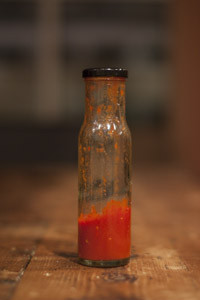
Note: The above recipe made one bottle of sauce. However as you can see from the photo i was forced to give half of it away and the remaining half has not lasted long despite being blistering hot!
Hot Sauce Tips and Technique
The vinegar simmer is important. Cooking the chillies in vinegar before adding the water does two things – it softens the chilli flesh so the sauce blitzes completely smooth, and the acid in the vinegar acts as a natural preservative that gives the finished sauce its long shelf life. Don’t rush this stage. Five to ten minutes at a gentle simmer is what you’re aiming for – you will see the chillies lose their brightness and soften noticeably.
Add the water and sugar at the right moment. Once the chillies have softened and the vinegar has reduced slightly, add the water and sugar. The sugar balances the sharp vinegar edge and brings out the natural fruitiness of the Scotch Bonnets. Stir well and watch the pan as at this stage it can catch quickly if the heat is too high so keep stirring.
Cool completely before blitzing. This is the step most people skip in their impatience and then regret. Blitzing a hot sauce in a food processor can build up steam pressure and you risk the lid coming off. Allow the mixture to cool to room temperature first (it takes about 20 minutes) then blitz until completely smooth. The sauce will lighten slightly in colour as air is incorporated during blending.
Sterilise properly. Sterilising your bottles/jars is very important when it comes to ensuring the shelf life of your sauce is maximised. Ten minutes in boiling water or a hot oven is all it takes. A properly sterilised bottle is the difference between a sauce that keeps for months and one that goes off within weeks. Don’t skip it.
Scotch Bonnet Sauce
A simple, fiery homemade hot sauce that lets the heat and fruity flavour of Scotch Bonnets speak for themselves. Ready in under 20 minutes and keeps for months.
Wearing gloves, roughly chop the Scotch Bonnets removing the stalks. You can remove the seeds and membrane for a slightly milder sauce or leave them in for full heat.
Add the chopped chillies to a food processor and blitz for a few seconds until finely chopped.
Transfer to a small pan with the vinegar and salt. Bring to the boil then reduce heat and simmer for 5-10 minutes until the chillies have softened.
Add the water and sugar, stir well and simmer for a further 4-5 minutes. Keep an eye on it and lower the heat if it looks like it's catching.
Remove from the heat and allow to cool completely.
While cooling, sterilise your bottle by boiling in water for 10 minutes or heating in the oven at 150°C for 10 minutes.
Once cooled, transfer the sauce back to the food processor and blitz until completely smooth.
Pour into your sterilised bottle, seal and store.
Notes
Always wear nitrile gloves when handling Scotch Bonnets — the capsaicin will penetrate skin and cause prolonged burning
Open windows and doors when cooking — the steam from boiling Scotch Bonnets is intense
The sauce will keep for several months unopened in a cool dark cupboard
Once opened refrigerate and use within 12 weeks
For a more complex sauce add 2 cloves of garlic and half a small onion to the food processor in step 2
What to Serve With Scotch Bonnet Sauce
The fruity heat of Scotch Bonnets makes this sauce extraordinarily versatile — it works with almost anything that benefits from heat:
Chicken wings — Simon’s suggestion in the comments and our personal favourite. The sauce glazed over wings before grilling is exceptional
Jerk chicken or pork — the Caribbean connection makes this a natural fit
Rice and peas — a few drops stirred through transforms a simple dish
Fried eggs — drizzled over fried eggs on toast is a revelation for those who can handle the heat
Cheese on toast — sounds unusual but the sweet-fruity heat works brilliantly against strong cheddar
BBQ — used as a finishing sauce or marinade base
Curries — a few drops added to a mild curry dial up the heat beautifully without changing the flavour profile
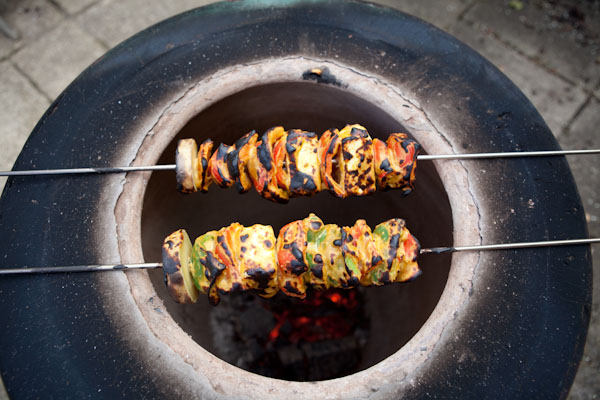
Particularly good alongside tandoori chicken — see our tandoor oven guide if you’re cooking over charcoal.
FAQ
How hot is homemade Scotch Bonnet sauce?
Very hot. Scotch Bonnets measure 100,000-350,000 Scoville Heat Units — this sauce concentrates twenty of them into a small bottle. A few drops is typically enough to heat a dish. If you find commercial hot sauces like Tabasco mild, this will still surprise you.
Can I use Habaneros instead of Scotch Bonnets?
Yes. The original recipe notes this. Habaneros are closely related to Scotch Bonnets and produce a similar fruity heat, though the flavour profile is slightly different. The sauce will be equally good.
Can I use green Scotch Bonnets?
Yes — green Scotch Bonnets are usable but the flavour will be grassier and sharper rather than fruity and sweet. For the best result use fully ripe red or orange fruit. P. Milo asked this in our comments and we confirmed green bonnets work fine if that’s what you have.
Why has my sauce gone very thick?
If simmered too long without adding the water it will thicken significantly. Add the water earlier if the sauce starts to look too thick, or add a splash more water at the blending stage and blitz again.
Do I need a food processor?
It helps significantly for achieving a smooth sauce. A high-powered blender works equally well. Without one you can finely chop the chillies by hand and sieve the finished sauce, though the texture will be less smooth.
How long does homemade Scotch Bonnet sauce keep?
Sealed and stored in a cool dark cupboard the sauce keeps for several months. Once opened refrigerate and use within 12 weeks. The vinegar acts as a natural preservative.
More Recipes You Might Like
If you enjoyed making this Scotch Bonnet sauce, here are some more of our favourite ways to preserve and use a chilli harvest:
Chilli Jelly Recipe — sweet, spicy and beautifully clear, our chilli jelly works brilliantly with Scotch Bonnets. Perfect with cheese and biscuits or as a glaze for grilled meat. One of our most popular recipes since 2010.
Chilli Chutney Recipe — a rich, deeply flavoured preserve that gets better the longer it matures in the jar. Great for using up a large harvest and makes an excellent homemade gift.
Chilli Oil Recipe — the simplest way to preserve chilli heat and flavour. Drizzle over pizza, pasta or anything that needs a kick. Works with any dried chilli variety.
Pickled Jalapeño Recipe — if you grow jalapeños alongside your Scotch Bonnets this is the perfect companion recipe. Quick to make and keeps for months.
Aji Lemon Mango Sauce — a tropical fruit-based hot sauce that pairs the citrusy heat of Aji Lemon chillies with mango. A completely different flavour profile but equally addictive.
Red Chilli Chutney Recipe — our dedicated red chilli chutney using fully ripe fruit. Rich, fruity and versatile — excellent alongside cold meats or in a cheese sandwich.
If you have habaneros rather than scotch bonnets, our habanero salsa recipe uses the same fruity heat character in a Yucatecan-style charred salsa.
We love mushrooms on toast and we love cheese on toast so we though why not combine the two! This recipe is simple to follow and produces great results that make a great breakfast dish or a simple starter or snack. Spicy Welsh Rarebit Ingredients 2 slices of thick crusty bread 2 large flat mushrooms…
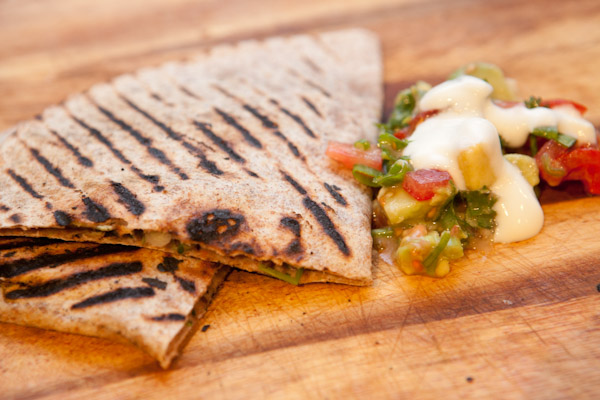
If you want an authentic taste of Mexican food, look no further than the quesadilla. This delicious black bean quesadilla recipe is incredibly quick to make. It can usually be made out of purely store cupboard ingredients. The recipe only take a few minutes to make. This makes it ideal for a quick midweek supper…
This is the tandoori marinade we’ve developed and refined over years of cooking with our clay tandoor oven – and the one we come back to every single time. It works beautifully for chicken, lamb, paneer and vegetables, and produces results that are genuinely comparable to a good Indian restaurant. The secret most tandoori marinade…
Matar Paneer is a classic Indian recipe that originates from the Punjab region in Northern India. Paneer (Indian Cheese) is a staple for many vegetarians in India. Thankfully it is widely available from most big supermarkets now or you can usually find it in health food shops or your loval Asian store. In India Paneer…
If you like chillies you’ll love pickled jalapenos. They are not only great on pizzas but are also a tasty addition to sandwiches, salsa, chilli or any Tex Mex dishes. Pickled Jalapenos Ingredients Washed sliced Jalapeno peppers 1 Large Jar 4 parts Vinegar 1 part Water 1 part Olive Oil 1 teaspoon of salt Method…
Melanzane Parmigiana (Aubergine & Parmesan) is a truly classic Italian dish. As with most Italian food this is all about simple ingredients cooked well in the right combination. The result is a dish that is incredible light yet full of flavor. Ideally this is served as a starter or a side dish. Melanzane Parmigiana Ingredients…
22 Comments
This is a brilliant recipe I have tried your method and it works perfectly…..I have just made a second large batch and have added both carrot and onion,,,,,,,,have you any more simple recipe especially a “Jelly” scotch bonnet one………….Regards Bazza
Fantastic recipe!(my first venture into making sauce)
I made mine with purely scotch bonnet and added two cloves of garlic to blender.them added approx 100ml of elderberry syrup (circa 2009). All I can say is it starts of sweet,creeps up behind you and then…..BANG! Good stuff! Thankyou 🙂
My next step is to try with my ripening crop of Dorset nagas,Scotch Bonnets and Bulgarian carrots.
I’ve been making this for 2 years now using Scotch Bonnets and 7 Pots. How do I adjust the ingredients to make 4 to 6 bottles. I also add garlic and a medium sized onion when I make mine. Can I also add lime juice. I like this recipe for its simplicity and I’m contemplating using a mixture of Naga Morich, 7 Pots and TS Buich T. Your comment please.
Ps My Chilli Gallore Forum name is Swapo
Swapo,
You can simply scale the recipe up by multiplying all of the ingredients by the number of bottles required. Of course it also depends on how big your bottles are!
It’ll certainly be hot if you use Naga, 7-Pots and TS! Let us know how it tastes. Lime juice would certainly work in this in place of some of the vinegar.
I made this today with twenty large scotch bonnets and blended it until really silky smooth – looks and tastes fantastic, but it is liquid fire! Can’t wait to get it on some chicken wings! Thanks for the great recipe.
Hi made sauce yesterday and its great. but its gone more like a bergandy colour and very thick have i done it right? i was expecting it to be as hot as mad dog 375 but its a lot cooler
i used scotch bonnets and strawberry red wine vinegar. the sauce settled and went a nice red colour in the end. has a very sweet taste first then the kick of the chilli, whole jar nearly gone in a couple of weeks everyone thinks its a great recipe.
Hi Chilli King
Just made a double portion of your Scotch Bonnet Sauce last night, it was absolutely delicious. I say was because as I turned around knocked it off the table and watched my total supply decorate the kitchen floor ( large floods of tears followed ). At least I know it is good stuff so will give another shot next year).
Regards……P. Milo…….
P.S. Here’s a tip for you, don,t let your dog try it, they don,t seem to appreciate it like us humans…
I made some of this yesterday. The fumes coming off it were crazy and my hands were on fire for hours afterwards. I would definitely recommend gloves. The end result looks good. I tried a small drop as it was cooling and it is obscenely hot – like poison!
Hi Chilli King
Have got about 30 Scotch Bonnets off a couple of plants, so am going to give your delicious looking sauce a try. Are you able to use the Bonnets if they are green as I have quite a few of them left as well. Also will try to overwinter my plants in a single glazed greenhouse but not sure how that will turn out as it can on rare occasions drop to minus 12c. Is there a minimum temperature that they can withstand ? As you can tell by my post am a complete beginner at this but if nothing else I am a trier so all advise will be gratefully received. Just to add, you have cracking website.
Regards……P. Milo…….
P.Milo – Yes green bonnets will be fine to use though the flavour won’t be quite as good. Minus 12 sounds a bit too low though if they are inside it shouldn’t be that cold. Maybe you could add extra protection by insulating your greenhouse with bubble wrap for the winter. Or maybe buy an additional mini greenhouse to put the plant in to create a greenhouse within a greenhouse. Good luck and do let us know how you get on!
I’ve been making scotch bonnet schnapps with 66% abv spirit. Could I use the leftover chillies that have been in the alcohol as there is quite a lot now that i’ve strained the booze for ageing? They’ve been soaked for about 50 days.
Ross – wow, scotch bonnet schnapps sounds awesome! i would have thought they’d be ok to use. proceed with caution though and don’t use them if you see any signs of mold on them.
Is there any reason that this wouldn’t work with Nagas? I have quite a few fresh ones that I need to use up. If I made this I’d probably use 3 or 4 chillies. Considering there’d then be less bulk to absorb the liquids do you have any idea by how much I should reduce the amounts of vinegar and water to achieve the desired consistency? Also, should I then reduce the amounts of sugar and salt as well?
Finally, what size was the bottle that the above amounts produced?
Tim Taylor – No, this should work with Nagas. Hot sauce making is a bit or an art rather than science in my opinion. Maybe half the wet ingredients see how it looks. If you’re only using 4 nagas i’d be tempted to bulk it out a bit by adding a small amount of tomato pureee???
Gave it a go today using 5 Nagas and several Ring of Fire and Indian PC-1s. I did try a teaspoon of Tomato Puree just to give it a bit more body and then simmered it for about 10 mins. The heat is tremendous but a couple of seconds in there’s an overpowering bitter taste which only dissipates when the heat starts dominating. Any idea why this might be? I didn’t de-seed or de-pulp any of the chillies and so am wondering whether this might be the cause.

This is a brilliant recipe I have tried your method and it works perfectly…..I have just made a second large batch and have added both carrot and onion,,,,,,,,have you any more simple recipe especially a “Jelly” scotch bonnet one………….Regards Bazza
Hi Bazza,
Glad you like this recipe. For a very simple chilli jelly recipe try this one. Simply substitute the Scorpion chillies for Scotch Bonnets. Enjoy!!
Fantastic recipe!(my first venture into making sauce)
I made mine with purely scotch bonnet and added two cloves of garlic to blender.them added approx 100ml of elderberry syrup (circa 2009). All I can say is it starts of sweet,creeps up behind you and then…..BANG! Good stuff! Thankyou 🙂
My next step is to try with my ripening crop of Dorset nagas,Scotch Bonnets and Bulgarian carrots.
Mr Higgins,
Glad you liked the recipe and good luck with the next crop of pods!
I’ve been making this for 2 years now using Scotch Bonnets and 7 Pots. How do I adjust the ingredients to make 4 to 6 bottles. I also add garlic and a medium sized onion when I make mine. Can I also add lime juice. I like this recipe for its simplicity and I’m contemplating using a mixture of Naga Morich, 7 Pots and TS Buich T. Your comment please.
Ps My Chilli Gallore Forum name is Swapo
Swapo,
You can simply scale the recipe up by multiplying all of the ingredients by the number of bottles required. Of course it also depends on how big your bottles are!
It’ll certainly be hot if you use Naga, 7-Pots and TS! Let us know how it tastes. Lime juice would certainly work in this in place of some of the vinegar.
I made this today with twenty large scotch bonnets and blended it until really silky smooth – looks and tastes fantastic, but it is liquid fire! Can’t wait to get it on some chicken wings! Thanks for the great recipe.
Hi made sauce yesterday and its great. but its gone more like a bergandy colour and very thick have i done it right? i was expecting it to be as hot as mad dog 375 but its a lot cooler
Matt – What type of Habs are you using?
i used scotch bonnets and strawberry red wine vinegar. the sauce settled and went a nice red colour in the end. has a very sweet taste first then the kick of the chilli, whole jar nearly gone in a couple of weeks everyone thinks its a great recipe.
Hi Chilli King
Just made a double portion of your Scotch Bonnet Sauce last night, it was absolutely delicious. I say was because as I turned around knocked it off the table and watched my total supply decorate the kitchen floor ( large floods of tears followed ). At least I know it is good stuff so will give another shot next year).
Regards……P. Milo…….
P.S. Here’s a tip for you, don,t let your dog try it, they don,t seem to appreciate it like us humans…
P. Milo – Oh no, what a shame. Sounds like you have a brave dog!
I made some of this yesterday. The fumes coming off it were crazy and my hands were on fire for hours afterwards. I would definitely recommend gloves. The end result looks good. I tried a small drop as it was cooling and it is obscenely hot – like poison!
Jd – Glad you like it! Watch out, it’s highly addictive!
Hi Chilli King
Have got about 30 Scotch Bonnets off a couple of plants, so am going to give your delicious looking sauce a try. Are you able to use the Bonnets if they are green as I have quite a few of them left as well. Also will try to overwinter my plants in a single glazed greenhouse but not sure how that will turn out as it can on rare occasions drop to minus 12c. Is there a minimum temperature that they can withstand ? As you can tell by my post am a complete beginner at this but if nothing else I am a trier so all advise will be gratefully received. Just to add, you have cracking website.
Regards……P. Milo…….
P.Milo – Yes green bonnets will be fine to use though the flavour won’t be quite as good. Minus 12 sounds a bit too low though if they are inside it shouldn’t be that cold. Maybe you could add extra protection by insulating your greenhouse with bubble wrap for the winter. Or maybe buy an additional mini greenhouse to put the plant in to create a greenhouse within a greenhouse. Good luck and do let us know how you get on!
I’ve been making scotch bonnet schnapps with 66% abv spirit. Could I use the leftover chillies that have been in the alcohol as there is quite a lot now that i’ve strained the booze for ageing? They’ve been soaked for about 50 days.
Ross – wow, scotch bonnet schnapps sounds awesome! i would have thought they’d be ok to use. proceed with caution though and don’t use them if you see any signs of mold on them.
Wow, what a great colour!
Is there any reason that this wouldn’t work with Nagas? I have quite a few fresh ones that I need to use up. If I made this I’d probably use 3 or 4 chillies. Considering there’d then be less bulk to absorb the liquids do you have any idea by how much I should reduce the amounts of vinegar and water to achieve the desired consistency? Also, should I then reduce the amounts of sugar and salt as well?
Finally, what size was the bottle that the above amounts produced?
Thanks in advance – can’t wait to give this a go!
Tim
Tim Taylor – No, this should work with Nagas. Hot sauce making is a bit or an art rather than science in my opinion. Maybe half the wet ingredients see how it looks. If you’re only using 4 nagas i’d be tempted to bulk it out a bit by adding a small amount of tomato pureee???
Gave it a go today using 5 Nagas and several Ring of Fire and Indian PC-1s. I did try a teaspoon of Tomato Puree just to give it a bit more body and then simmered it for about 10 mins. The heat is tremendous but a couple of seconds in there’s an overpowering bitter taste which only dissipates when the heat starts dominating. Any idea why this might be? I didn’t de-seed or de-pulp any of the chillies and so am wondering whether this might be the cause.