
Whitefly on Chilli Plants — How to Identify and Get Rid of Them
Whitefly are one of the most frustrating pests a chilli grower can encounter. They multiply rapidly, weaken plants through sap feeding, and in a sealed greenhouse they can go from a handful of insects to a full infestation within days. The good news is that with the right approach they can be controlled effectively without resorting to harsh chemical treatments.
This guide covers everything you need to know — what whitefly are, how to spot an infestation before it takes hold, and the most effective methods to get rid of them and prevent them returning.
What are Whitefly?
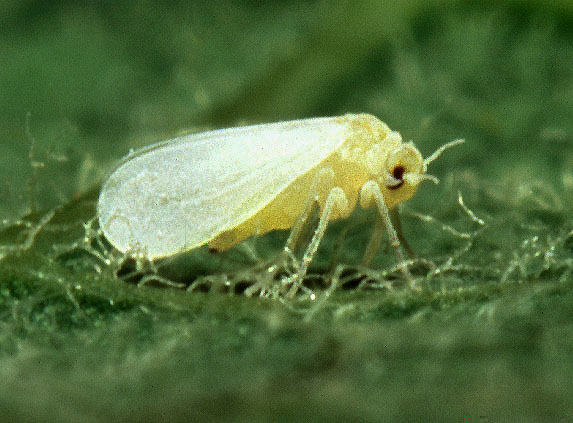
Whitefly (Trialeurodes vaporariorum or ‘greenhouse whitefly’ – the species most commonly found on chilli plants in the UK) are tiny white flying insects roughly 1-2mm in size. Despite their name and appearance they’re not true flies — they’re more closely related to aphids and scale insects. Like aphids, they feed by piercing plant tissue and sucking sap, which weakens the plant and in severe infestations can stunt growth significantly.
Whitefly are particularly common in greenhouses and polytunnels where warmth, limited airflow and the absence of natural predators create ideal conditions for them to thrive. They can also infest indoor plants, particularly in warm kitchens or conservatories.
How to Identify a Whitefly Infestation
As is the case with all pest infestations the sooner you catch it the easier it is to control. Below are the main things to look out for:
Adult Whitefly – The tiny moth like white insects like to cluster on the underside of leaves. If/when you touch the leaves they quite often fly up off the leaves before quickly settling back down soon after. They are so small they can be hard to see clearly with the naked eye. If you are seeing small white bugs on your chilli plants then they may well be whitefly.
Eggs and nymphs – If you look on the underside of the leaves and see tiny oval spots that are pale yellow arranged in an arc/circle pattern then it may well be whitefly eggs. Nymphs (young whitefly) lookk very similar to the eggs but are flatter and often pale green/white. They are so small they can be hard to see with the naked eye.
Honeydew / sooty mould – Similar to aphids, whitefly excrete a sticky substance called honeydew as they feed. This coats the leaves and stems and quickly attracts a black sooty mould that further compromises the plant’s ability to photosynthesise. If your plants have a dark sticky sooty mould on them be sure to check the undersides of leaves immediately for whitefly.
Yellowing leaves – As an infestation takes hold, heavily affected leaves may yellow and drop. This can look similar to a nutrient deficiency – again it is best to check the undersides of leaves to confirm whitefly are the cause. See our guide to yellow leaves on chilli plants if you’re unsure.
The shake test – Gently shaking or tapping the plant can be a good way to identify and infestation. If a cloud of tiny white insects flies up, you almost certainly have whitefly.
How to Get Rid of Whitefly on Chilli Plants
1. Move Plants Outside
Assuming you are growing in a greenhouse moving the plants outside can be very effective. Moving plants outside (when temperatures allow) exposes the whitefly to natural predators (think hoverflies, lacewings, parasitic wasps and ladybirds) that should rapidly reduce the infestation. In our experience moving a badly infested plant outside for 2-3 days often clears the problem significantly.
2. Neem Oil Spray
Neem oil spray is our preferred organic treatment for whitefly (and many other pests). The active compound azadirachtin disrupts the whitefly life cycle – preventing nymphs from developing into adults and interrupting the feeding/reproductive behaviour of adults. It won’t kill whitefly instantly but if you use it consistently it collapses infestations within two to three weeks. Check out Neem oil prices on Amazon.
When spraying Neem oil it is much more effective if applied in the evening. Avoid spraying it onto flowers as it can affect pollinators that visit you plants. That said in our growing experience most whitefly infestations strike pre flowering.
3. Yellow Sticky Fly Traps
According to the US National Library of Medicine, whitefly are attracted to yellow things. This means that using yellow sticky fly traps in your growing area is a effective method to catch mature whitefly. Simply hang/stick them amongst your plants and let them trap the adult whitefly. I always keep a few dotted around the greenhouse during late spring/early summer.
Used alone sticky traps won’t eliminate a severe infestation — they’re best thought of as an early warning system and a supplement to other treatments rather than the primary control method. One drawback is that they also catch beneficial insects including hoverflies and parasitic wasps, so once the infestation is under control replace sticky traps with fresh ones and reduce the number used.
4. Plant Marigolds In With Chillies
French Marigolds (Tagetes patula) are a effective natural deterrent to aphids and whitefly and I’ve had some success with this method in the past. Their pungent scent is thought to deter whitefly from settling nearby and their flowers attract hoverflies which are a natural whitefly predator.
We have grown marigolds alongside our chilli plants for years with noticeable results. Marigolds have become part of our annual seed sowing routine and their spark of colour is a constant in our growing areas.
5. Lady Birds
Ladybirds are voracious whitefly predators and if you have children around the house, whitefly control suddenly becomes an engaging outdoor activity. Release any ladybirds found in the garden directly onto infested plants – even a small number can make a visible difference within a few days. You can also buy live ladybirds online in the UK . Releasing them into a well-ventilated greenhouse in the evening (when they’re less likely to fly away immediately) gives them the best chance of staying and clearing up your infestation.
6. Insecticides – A Last Resort
If natural and biological methods haven’t brought the infestation under control, insecticide sprays based on pyrethrins or fatty acids (insecticidal soap) are the least harmful chemical options. Apply in the evening to avoid harming beneficial insects.
Just be aware that some of our readers have suggested that some pyrethrin-based products can cause significant leaf drop on chilli plants. Always test on a single plant first and follow the dosage instructions carefully. We always recommend exhausting natural methods before reaching for insecticides.
How to Prevent Whitefly
As is the case with all pests prevention is usually far easier than cure. Below are our top tips to help prevent getting whitefly infestations on your chilli plants.
1. Inspect new plants carefully
If you are buying, or have been gifted chilli plants (or any plants for that matter) always take some time to inspect them carefully before adding them to your growing area and other plants. As advised above inspect the underside of leaves for adult whitefly or eggs. To be extra careful it can be worth quarantining new plants for 1-2 weeks before allowing them near your existing plants.
2. Maintain Good Airflow
Whitefly thrive in warm, humid, still conditions. Aim to keep your greenhouse vents/doors open whenever possible. If ventilation is difficult where you are growing then adding a fan can also help.
3. Keen a Clean Grow Area
One key method to prevent all pests and disease in the greenhouse (including whitefly) is to keep things clean. By regularly removing any dead plant matter, spilt compost or other organic matter you’ll be removing habitat that pests like.
I also try to regularly wipe down shelves, windows and tables with warm soapy water to improve sanitation. A clean greenhouse has fewer places for pests to harbour and breed.
4. Companion Planting
As discussed above odour emitted by French Marigolds can help to discourage whitefly. Planting them alongside your chillies can help discourage infestations.
5. Check Plants Regularly
Make it a habit to check the undersides of leaves whenever you water. Catching an infestation at the first few insects is infinitely easier than dealing with a full outbreak.
FAQ
Are whitefly the same as aphids?
No, though they’re related and cause very similar damage to chilli plants. Aphids are green, black or white soft-bodied insects that don’t fly when disturbed. Whitefly are always white and fly up immediately when the plant is shaken. Both suck sap and excrete honeydew. See our dedicated aphids guide if you’re not sure which pest you have.
Can whitefly kill chilli plants?
A mild infestation rarely kills established plants – it weakens them and can reduce yield. A severe, prolonged infestation on a young or stressed plant can cause significant damage and potentially kill it. Act quickly as soon as you spot them.
How long does it take to get rid of whitefly?
This is a difficult question to answer as there are so many variables. Based on our experience neem oil applied every 5-7 days leads to most infestations being significantly reduced within 2-3 weeks. Complete elimination can take 4-6 weeks as you need to break the egg-nymph-adult cycle.
Can I use washing up liquid to kill whitefly?
A dilute solution of washing up liquid in water (a few drops per litre) acts as an insecticidal soap and can kill whitefly on contact by disrupting their outer coating. It’s inexpensive and immediately available. The downside is it has no residual effect – it only kills insects it directly contacts and needs frequent reapplication. It’s useful as an emergency first response but neem oil is more effective as an ongoing treatment.
Is neem oil effective against whitefly eggs?
Neem oil disrupts the development of nymphs and affects adult behaviour but is less effective directly against eggs. This is why repeated applications over several weeks are necessary — to catch each new generation as it hatches from eggs that were unaffected by earlier treatments.
Will whitefly go away on their own?
Typically no. Whitefly reproduce quickly so infestations can quickly spiral out of control. If you are growing indoors or in a greenhouse there will be limited natural predators and conditions will favour the whitefly. Act as soon as you see the first signs.

James,
I trust all is well with you – I haven’t spotted any updates lately to your site. I hope the chillis are still growing strong!
Kind regards,
Mark
Mark,
I like the sound of your painted cardboard/oil trap to combat the pests. I’ll definitely give this method a go next year.
regards
James
Be wary of insecticides – even those based on pyrethrins. I had some stuff a couple of years ago which actually defoliated my chillis to the point that we renamed the stuff “Agent Orange” after the chemicals the US used in Vietnam.
Painting a piece of fairly stong cardboard or plywood with a bright yellow paint, then, once dry, wipe with engine oil – yep, just simple straightforward fresh oil, nothing clever – works to attract the whitefly and then they stick in the oil. I guess – but haven’t tried – that veg oil would work (perhaps too thin?)
My own biggest problem this year (2014) is the excessive heat we have had! Wish I had grown some of my chillis outside this year, but in previous seasons that wasn’t good – but this year, inside wasn’t good as the heat caused lots of issues!