How to Pinch Out Chilli Plants
If you’ve been reading about chilli growing online, you’ve probably come across conflicting advice about pinching out. Some growers swear by it. Others say it’s a waste of time — or worse, that it actively harms your plants in the UK’s short growing season. The truth, as usual, is somewhere in the middle.
In this guide we’ll explain exactly what pinching out is, when to do it, how to do it, and crucially — when not to bother.
What Does “Pinching Out” Mean?
Pinching out — also called topping – simply means removing the growing tip at the very top of your chilli plant. This is the small, tender new growth right at the apex of the main stem.
When you remove this tip, the plant can no longer grow straight upwards. Instead, it redirects its energy into the side shoots that develop lower down the stem, producing a wider, bushier plant with more growing points — and in theory, more fruit.
The name comes from the fact that you can do it with just your thumb and forefinger, literally pinching off the soft new growth. No tools needed, though clean scissors or snips work just as well and are better for taller plants where reaching in with fingers risks snapping stems.
Should You Pinch Out Chilli Plants?
This is genuinely debated among UK growers, and the honest answer is: it depends on your growing situation.
The case for pinching out
A chilli plant that grows tall and leggy with one main stem produces fruit mainly near the top, which makes harvesting awkward and leaves a lot of empty stem below. Pinching out encourages the plant to branch out from lower nodes, producing a more compact, well-balanced plant with fruit distributed throughout. For plants growing indoors on windowsills — where height is limited and you want maximum yield from a small footprint — pinching out can make a real practical difference.
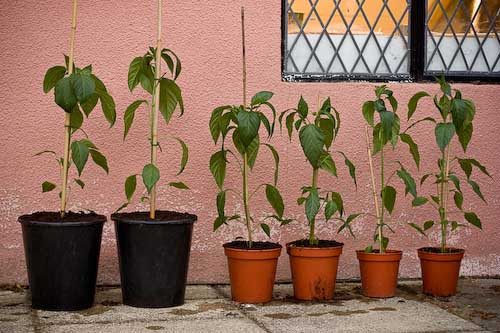
The chilli plants pictured below could have benefitted from being pinched out when they were younger. They were grown in a partially shaded conservatory where they didn’t really get enough hours of light each day. With hindsight I should have pinched them out after the third set of leave to help thicken the plants up.
Growers with heated greenhouses and long growing seasons also tend to get excellent results from pinching out. The plant has time to recover from the temporary setback and go on to produce a much larger crop over the extended season.
The case against in the UK
Here’s the important caveat that many guides skip over: the UK growing season is short. Pinching out deliberately stresses your plant and sets it back by anywhere from one to three weeks. In a long Spanish summer, that doesn’t matter too much. However in a typical UK season (where you might only have reliable warm weather from June through to September) those lost weeks of growth can genuinely matter, especially for slower-maturing varieties like habaneros and nagas.
Forum discussions among experienced UK growers consistently show that unpinched plants often outperform pinched ones in terms of total yield and how early the first fruits appear. One common finding is that plants naturally branch well on their own without intervention, particularly most Capsicum annuum varieties.
The verdict
After several years of experimentation I tend to find that pinching out is worth doing for:
- Plants growing indoors on windowsills where you want a compact, bushy shape
- Fast-maturing varieties like Cayenne, Apache, Ring of Fire or Hungarian Hot Wax, particularly if you plant early in the season
- Growers with heated greenhouses who sow early (January/February) and have a long season ahead
- Leggy young plants that have become too tall and thin due to insufficient light. Move them to an area with more light once you have pinched them out.
Pinching out is probably not worth doing for:
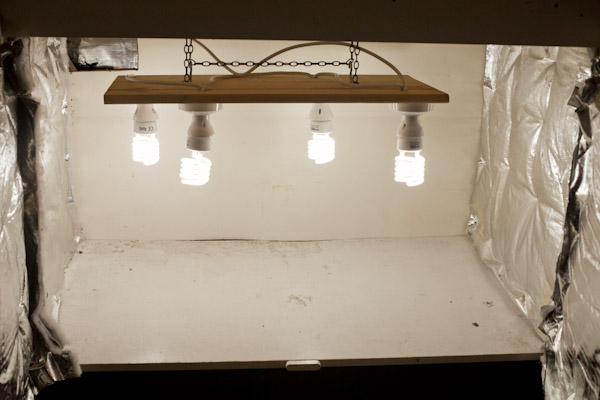
- Slow-maturing superhot varieties (Habanero, Naga, Carolina Reaper) where every week of the season counts. To get the best from these varieties consider using grow lights.
- Plants sown late (after March) that are already behind schedule
- Growers without heating who rely entirely on the natural UK summer
When to Pinch Out Chilli Plants
If you decide to go ahead, timing matters. Pinch out too early and the seedling is too fragile to handle the stress. Too late and you’re cutting off flower buds that are already forming.
The ideal window is when your plant:
- Has developed 3 to 5 true sets of leaves (not the seed leaves — the true leaves that follow them)
- Is around 15 to 20cm tall for most varieties
- Has not yet formed any visible flower buds
At this stage the plant is well established and robust enough to recover quickly, but hasn’t yet committed its energy to flowering and fruiting. Pinching out at this point redirects that energy into branching rather than cutting off imminent flowers.
If you can see small flower buds already forming at the growing tip — tiny white dots or slightly swollen nodes — you’ve left it slightly late. You can still pinch if you want to, but weigh up whether the bushing benefit is worth losing those early flowers. For fast-growing varieties it usually isn’t.
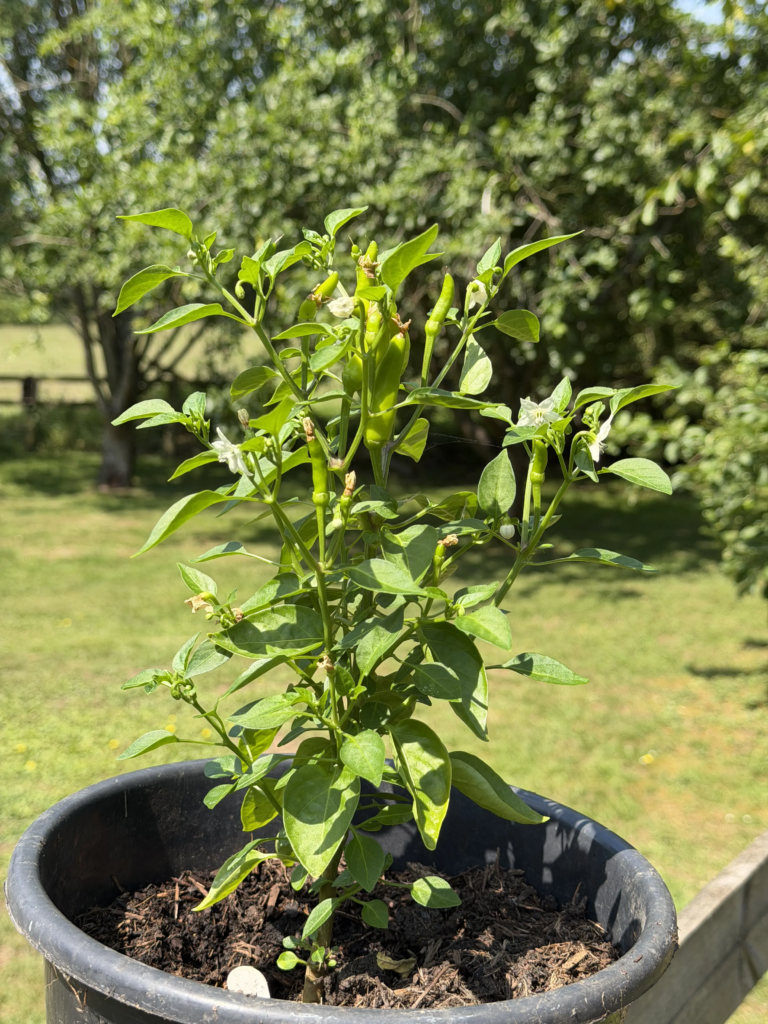
You can see the Birds Eye plant below has been receiving lots of natural light in the greenhouse. The plant has no shortage of side shoots and has a nice compact, bushy shape. There is certainly no need to pinch out this plant.
How to Pinch Out Chilli Plants — Step by Step
What you’ll need:
- Clean sharp scissors, snips or just clean fingers (ideally with long nails!)
- If using scissors, wipe the blades with a little diluted washing up liquid or rubbing alcohol first — this prevents spreading any disease between plants
Step 1 — Identify the growing tip
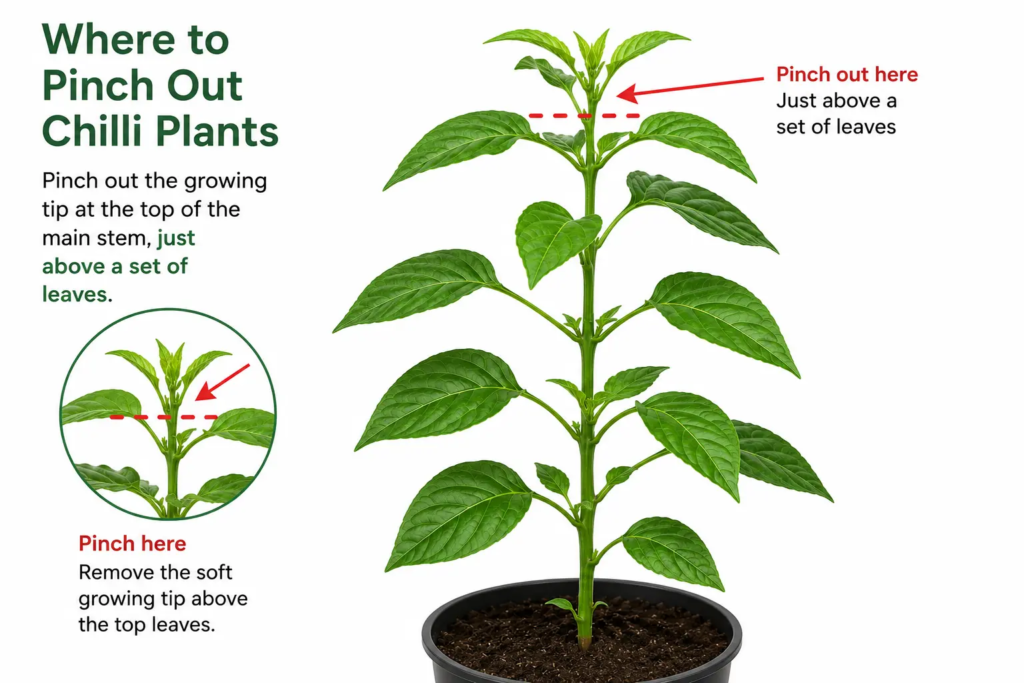
Look at the very top of the main stem. You’ll see the newest, most tender leaves and between them the tiny growing point — the apical meristem. This is the part of the plant that you’re removing.
Step 2 — Decide how much to remove
For a standard pinch, remove just the growing tip itself — the very top centimetre or so, cutting just above the highest set of leaves. This is the gentlest approach and causes the least setback.
For a more aggressive pinch that encourages more branching, cut down to the second or third set of true leaves. This creates more potential branching points but will take the plant longer to recover from.
Step 3 — Make the cut
Cut cleanly just above a leaf node — the point where a leaf (or pair of leaves) joins the stem. A clean cut heals faster than a torn or jagged one. If pinching with fingers, snap the growing tip off cleanly with a quick confident motion rather than twisting or pulling.
Step 4 — Look after the plant afterwards
Keep the plant well watered and in its best growing position — maximum light, appropriate warmth. The plant will appear to stall for several days to a couple of weeks while it recovers. Don’t panic. New side shoots will emerge from the leaf nodes below your cut. These are the branches that will eventually carry your fruit.
What Happens After Pinching Out
Within a week or two of pinching out you should see new growth emerging from the leaf nodes below your cut — these are the lateral shoots that will form the framework of your bushy plant. The more lateral shoots that develop, the more flowering sites your plant will ultimately have.
Once these new shoots develop a few sets of leaves, some growers pinch them out too, creating an even bushier plant with more branching. This is sometimes called a second topping. If you’re going to do this, only do it once more — repeatedly pinching out delays fruiting significantly and in a UK season you’ll run out of summer before the plant has a chance to produce.
Pinching Out Different Varieties
Different species respond to pinching out in different ways and it’s worth tailoring your approach:
Capsicum annuum varieties (Cayenne, Jalapeño, Hungarian Hot Wax, Padron)
These are the most forgiving. They recover quickly, branch readily, and in many cases will branch well without any intervention at all. Pinching out can work well here but isn’t essential. If your plant is already growing bushy and symmetrically, leave it alone.
Capsicum chinense varieties (Habanero, Scotch Bonnet, Naga, Carolina Reaper)
These are slow to mature and sensitive to setbacks. Unless you’re growing in a heated greenhouse and started seeds in January with a long season ahead, we’d recommend leaving these unpinched. The UK season is simply too short for these varieties to absorb the setback and still produce a full crop.
Capsicum pubescens varieties (Rocoto)
These have a naturally compact, bushy growth habit and very rarely need pinching out.
Ornamental and dwarf varieties (Prairie Fire, Apache, Numex Twilight)
These naturally produce compact bushy plants and don’t benefit from pinching out at all. Leave them to grow as they want.
Pinching Out vs Removing Early Flowers
A related technique you’ll sometimes see recommended is removing the very first flowers that appear on young plants. The idea is similar — by removing early flowers before the plant is fully established, you redirect energy into vegetative growth, producing a larger and stronger plant that then goes on to carry a bigger crop.
This is less disruptive than pinching out the growing tip and many UK growers find it a useful middle-ground approach. If your plant produces its first flower cluster while it’s still small and in a pot, pinching off those first few flowers encourages the plant to put more effort into root and stem development before committing to fruiting.
Removing new flowers is something I often find I have to do when I start seeds off indoors in January/February under grow lights then move them out to a greenhouse in April. The cooler temperatures in the greenhouse slow growth down so I always remove any early flowers that have appeared under the grow lights.
For more on this see our complete guide to growing chilli peppers where we cover the full growing cycle from seed to harvest.
Frequently Asked Questions
Does pinching out chilli plants increase yield?
It can do, but it isn’t guaranteed — particularly in the UK. Pinching out produces more fruiting sites on a bushier plant, but the total yield depends on how much of the growing season remains after the plant recovers from the setback. For longer seasons and fast-maturing varieties, pinching out can meaningfully increase total yield. For slow varieties or late-started plants in the UK, the benefit is less clear.
Can I pinch out chilli plants that are already flowering?
You can, but it’s not recommended. Once flower buds are forming the plant has committed its energy to fruiting and removing the growing tip at this stage cuts off flowers that might have become fruit. The main benefit of pinching out comes from doing it before flowering begins.
My chilli plant is very leggy — should I pinch it out?
If your plant is tall and thin due to insufficient light, pinching out will help encourage bushier growth. However address the underlying cause too — move the plant to a brighter position or supplement with grow lights. A pinched-out plant that still doesn’t have enough light will simply produce leggy side shoots instead of one leggy main stem.
I pinched out my plant and nothing is happening. Is it dead?
Almost certainly not. After pinching out, plants often appear to stall completely for one to two weeks. This is normal — the plant is redirecting its energy. Keep it well watered, in a bright warm position, and be patient. New growth will emerge from the nodes below your cut.
Can you pinch out chilli plants more than once?
Yes — some growers do a second topping of the lateral shoots once they’ve developed a few leaves, creating an even more branched plant. However each additional topping adds more delay before fruiting, so in the UK it’s usually only worth doing once, if at all.
What’s the difference between pinching out and pruning?
Pinching out refers specifically to removing the growing tip of a young plant to encourage branching. Pruning is a broader term covering any removal of growth — including cutting back mature plants at the end of the season for overwintering. For more on overwintering see our guide to overwintering chilli plants.
Related Guides
Hopefully in this post we’ve taught you how to pinch out chilli plants. If you found this useful, these articles cover the next stages of your growing season: