
Why are my Chillies Black?
Every year I always get a lots of emails from readers asking me about black chillies. Why are my chillies black? What have I done wrong? Can I eat black chillies? Are my chilli plants mutant? When are my chillies going to ripen?!
Not all cases of black chilli are the same. In our experience most cases a black chilli is simply going through a normal stage of the ripening process and nothing is wrong at all. However in some cases it can be a sign of a problem. This guide will help you distinguish between normal ripening and some other issues that can affect chilli plants.
During the natural ripening process, it is quite common for chillies to be black in appearance or have black/dark streaks on them.
Most chillies (e.g. Jalapeno, Cayenne etc) will start off life green and ripen through to orange or red. As the pods start to ripen, the sugar content in the fruit increases and the skin will often turn a dark brown or black colour temporarily.
As the ripening process continues the blackness will eventually give way to red. These changes in colour can seem like they are taking an age to happen, especially when you’re waiting for pods to ripen at the start of the summer!
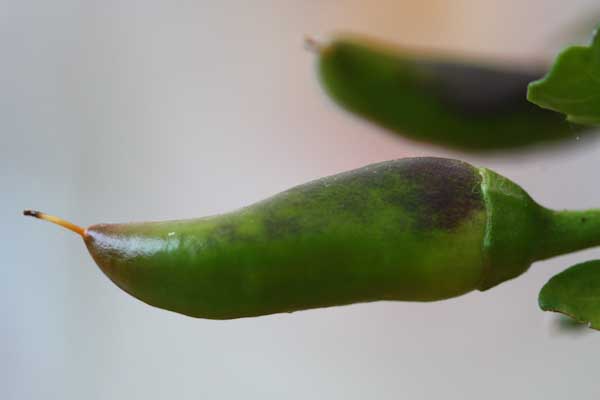
How long this ripening process takes depends on a number of different factors such as weather, feeding regime and watering levels. To speed up the ripening process try to increase the amount of sun your plants are getting.
Usually however these changes happen so slowly that you begin to think there is something wrong with your plants. Then inevitably you’ll turn away for a second and your plant will suddenly be full of wonderfully ripe red pods.
The lesson here is to be patient!
Naturally Black Chillies
Of course there are some varieties of chilli that are naturally black or brown in colour when ripe. The most popular such variety (and one of our favourites) is the Chocolate Habanero pictured below. These habaneros start off green and ripen through to a deep chocolatey brown (almost black) colour.
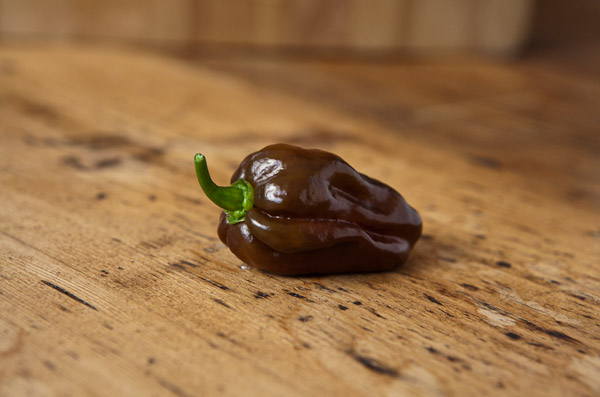
Oh and by the way they are great for making chutney.
There are several other varieties for example:
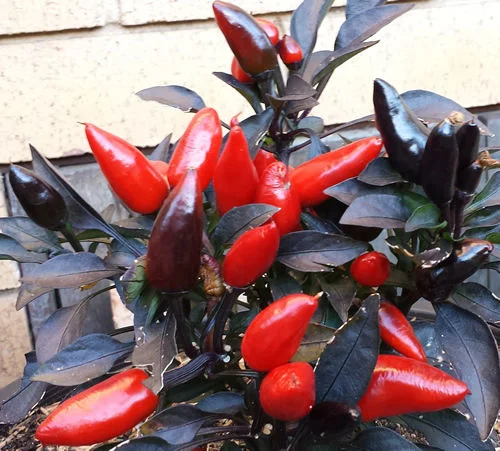
Black Pearl — an ornamental variety that produces clusters of small round fruits that ripen from green to jet black and eventually to red. The black stage lasts longest and is when the plant looks most dramatic.
Ebony Fire — has dark purple/black leaves and the short fruit ripens from green through purple-black to red. All stages are edible.
Black Hungarian — a striking variety with purple-tinged foliage and fruit that ripens from black-purple to red. Excellent flavour.
Mulato Isleno — a Mexican variety that ripens to a dark chocolate brown. Used dried in traditional mole sauces.
7 Pot Primo — like many superhot varieties, can develop dark purple or near-black colouring on the shoulders of the fruit as it approaches full ripeness.
Can you eat Black Chillies?
All chillies can be eaten at any stage in the ripening process, including when they are black or brown in appearance. However the flavours can change significantly throughout the ripening process. The best way to work out what is best for your taste buds is to try some pods at different stages of ripeness.
When Black Chillies Are a Problem
Below are some common issues that can cause black colouration on chilli pods.
Blossom End Rot
Blossom end rot appears as a dark (brown or sometimes black), sunken, leathery patch at the bottom of the fruit — the end furthest from the stem. Unlike ripening blackness which tends to affect the skin across the whole fruit uniformly, blossom end rot is localised to the tip and has a distinctly sunken, collapsed appearance.
It is commonly caused by either a calcium deficiency and erratic watering. Chilli plants transport calcium around themselves from roots to fruit via the transpiration system. Sudden/frequent changes in the water levels the plant has access to can disrupt the calcium levels in the fruit which then manifests in blossom end rot.
How to fix blossom end rot: The key to avoid this is to maintain consistent watering. Never let the compost dry out completely before watering. If growing in containers, check soil moisture daily during hot weather. Affected fruits cannot be saved but the problem won’t spread to other fruits if you address the watering consistency.
Black Spots from Fungal Disease
Fungal infections can cause black spots or patches on chilli fruit, leaves and stems. Unlike the smooth, even darkening of normal ripening, fungal spots tend to be irregular, may have a slightly fuzzy, grey or powdery appearance. The spots will often appear on different types of plants (stems, leaves and fruit).
The most common culprits are Anthracnose (which causes dark, sunken spots that spread quickly across fruit) and various mould species that attack in humid conditions. Overwatering, poor air circulation and wet foliage are the main contributing factors.
How to fix fungal disease in plants: First of all try and maintain a clean and tidy growing area. Fungal spores can spread easily, especially in damp dirty humid conditions. Aim to keep your grow area clean and dry.
Remove and dispose of any affected fruit or leaves immediately. Some people say not to compost them but I have never had issues with this. Where possible improve the air circulation around your plants, particularly if growing in a greenhouse. Reduce watering and ensure water doesn’t sit on foliage. A copper-based fungicide spray can help contain the spread. See our guide to chilli plant pests and diseases for more detail.
Cold Damage
Chilli plants can be highly sensitive to cold temperatures. If your plants have been exposed to temperatures below around 10°C — you may see blackening or dark bruising appear on the fruit and sometimes on the stems and leaves. Cold-damaged fruit tends to develop a dark, slightly translucent or water-soaked appearance rather than the even skin darkening of normal ripening.
Cold damage to fruit is unfortunately irreversible. The affected fruit may not ripen normally and should be picked and used immediately if any usable flesh remains, or discarded.
How to prevent it: Move plants inside or into a heated greenhouse before overnight temperatures drop below 10°C. In the UK over summer I often close the greenhouse doors in the evening. As autumn approaches you may want to consider bringing outdoor plants in from September onwards or using a greenhouse heater over night. See our guide to overwintering chilli plants for full advice on protecting your plants through the colder months.
Sunscald
Less common than the above but worth knowing about — if chilli fruit is suddenly exposed to very intense direct sunlight after a period in shadier conditions (for example moving plants outside after being indoors, or a greenhouse getting unexpected full sun), the fruit can develop pale, papery patches that sometimes darken to black as they dry out. This is sunscald, essentially sunburn on the fruit.
Sunscalded areas are dry and papery rather than soft and wet, which distinguishes them from fungal damage. The rest of the fruit is usually perfectly usable — simply cut away the affected area. The best way to avoid it is always try to harden off plants if moving them to a new location with different conditions. This gives the plants time to adjust.
FAQ
Can I eat chillies that have gone black during ripening?
Chillies can typically be eaten at any stage of the ripening process including the black stage. The flavour will continue to develop as they ripen fully to their final colour, but there’s nothing harmful about eating them black.
My chillies have gone black but aren’t turning red — what should I do?
Be patient! When your first chillies of the year are starting to ripen time can seem to slow down. The transition from black to red can take longer than you’d hope, particularly in cooler weather. To help try and position your plants so that get the maximum amount of heat and light.
Can black chillies ever be bad?
Chillies can go dark or black if they are rotten. Just be careful and check your chilli pods are not soft and mushy which can indicate fungal damage or rot. Typically this is caused by severe over watering.
My chilli plant has black stems — is this the same thing?
No — black stems are usually a separate issue from black fruit. Black or very dark stems on an actively growing chilli plant can indicate cold damage, overwatering or a fungal infection. That said quite often black stems do not necessarily mean the plant is suffering. If your stems are turning black and the plant looks unhealthy, see our guide to chilli plant pests and diseases for advice on diagnosing stem problems. Note that woody older stems on established plants naturally darken with age — this is normal.
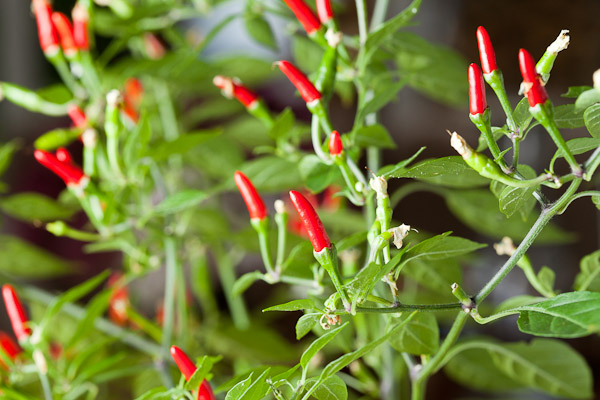
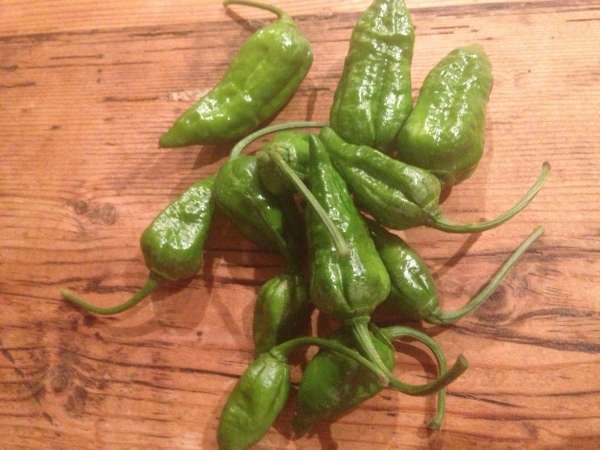
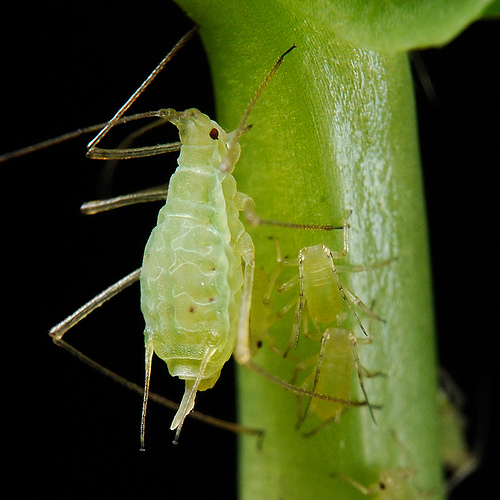
if you gently look underneath one of your chili when its black you will see its quite green underneath because there’s no sun there.
With the weather getting colder, I brought my chilli plants indoors to the conservatory. I thought they were dying and was about to throw them away. Thanks to you they are staying.
Some of the Hatch green chilis on my ristara have dark dry spots on them. I grew them myself, they have turned red, and have been hanging for about a week. Any advice?
Hard to tell without seeing them but if they are on a ristra and the black spots have recently formed it sounds like some sort of fungus…
Thank you for the advice. I’m new to growing my own chillies. When one appeared on the plant it went from green to black within a day. I’m going to be patient now and hopefully it will be green or red very soon.
You have put my mind to rest.
Thank you very much for that information 👍👍
Extremely informational
Thank you very very much
Thank you for that info
Thank you for the great information I thought I had done something wrong either watering or my manure or the chill down here thanks.