Dishoom House Black Daal Recipe – The Easy Way
Dishoom’s famous House Black Daal (also known as Dal Makhani) is slow-cooked whole black urid lentils with tomato, butter, garlic, ginger and cream. This recipe replicates the restaurant version at home using a slow cooker: soak overnight, microwave for 25 minutes, then slow cook for 5-9 hours. The result is the same deeply rich, buttery daal served at the restaurant.
If you love Indian cuisine, I would highly recommend the Dishoom: From Bombay with Love recipe book. This is where I saw the original recipe which I have adapted here.

This Dishoom black daal recipe is the famous London restaurant’s take on the Indian classic Daal Makhani. Dal Makhani is definitely up there in my top 3 Indian dishes. It originates from the heart of Punjab region, in Northern India. Like most classic dishes it is traditionally a peasant dish, born out of simplicity, made with humble ingredients like whole black lentils (urad dal) and sometimes kidney beans (rajma). It is slow-cooked for hours over a low flame. However over time, Dal Makhani evolved into a dish rich in flavor and culture, becoming synonymous with Indian celebrations and parties. At the same time it is one of India’s most popular comfort foods.
The word “Makhani” translates to “buttery,” which hints at the creamy richness that defines this dish. Butter (or Ghee) and cream are what makes this dish so delicious. However these two ingredients can be dialled back to make the dish healthier without much impact to the flavour.
The key to not lose the creamy texture is to cook the daal slowly. After much experimentation I have found the best and easiest method is to use my humble slow cooker. The slow cooking is what brings the flavours together in this dish.
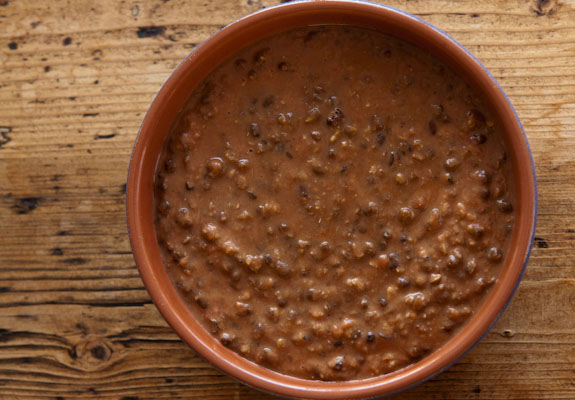
Given Urid daal takes a long time to cook I jump start the process by soaking the daal overnight in water then initially cooking it in a microwave. My aim was to come up with a recipe that can be made in one day. In this recipe I start cooking in the morning and the daal is ready for dinner that night.
Why Slow Cooking Makes the Best Black Dal
The secret to Dal Makhani (and what makes Dishoom’s version so memorable) is time. This is not a dish you can rush. The long, slow cooking process is what transforms humble black urid lentils into something extraordinary. A slow cooker replicates this process more faithfully than almost any other method available in a home kitchen.
What Happens During Slow Cooking
Black urid lentils are dense, starchy and robust. Unlike red lentils which dissolve/soften quickly, whole urid dal holds its shape longer. It needs sustained heat over many hours to fully soften and release its natural starch into the cooking liquid. It’s this released starch (combined with the butter, cream and tomato) that creates the thick, almost velvety consistency that defines a great Dal Makhani.
At Dishoom, the daal is reportedly cooked for 24 hours. The restaurant no doubt uses large commercial pots maintained at a consistent low temperature throughout the day and night, with fresh portions of butter and cream added just before service. The result is a depth of flavour that develops gradually rather than being forced. This causes the spices to mellow, the lentils break down at the edges while retaining some texture in the centre, and everything melds into a unified, deeply savoury whole.
A slow cooker on low heat runs at approximately 70-80°C – the perfect temperature to replicate this process without burning, scorching or drying out the dal. Left alone for 5-9 hours it does its work quietly and consistently, which is something a hob or oven simply can’t match for ease and reliability.
Why Not Just Use the Hob?
You can make Dal Makhani on the hob and many recipes do including our classic dal makhani recipe. The problem is consistency. A low simmer on a gas or electric hob requires regular attention – stirring every 10-20 minutes to prevent the dal catching on the bottom of the pan, adjusting the heat as it reduces, adding liquid when it gets too thick. On a hob the risk of burning is real and once burnt, Dal Makhani cannot be rescued.
The slow cooker removes all of that. Set it, leave it, come back to dinner. The sealed environment also retains moisture more effectively than an open pan, meaning the dal stays properly hydrated throughout the cooking process rather than drying out and requiring constant top-ups of water.
The Microwave Head Start
One aspect of this recipe that makes it genuinely practical for a weekday is the microwave kick-start. Urid dal traditionally needs 4-5 hours of simmering just to become edible – this is before any of the flavour development even begins. By microwaving the pre-soaked lentils for 25 minutes in boiling water, this recipe accelerates that initial softening stage dramatically. The microwave doesn’t develop flavour the way slow cooking does, but it’s excellent at driving heat into dense starchy legumes quickly.
This means the slow cooker can focus entirely on what it does best — the long, low, flavour-developing stage — rather than spending hours just getting the lentils edible. The result is a daal that’s ready for dinner the same day you start it rather than requiring an overnight cook.
Ingredients
Method
- Put the daal in a bowl. Cover the daal in fresh water and leave it to soak overnight (at least 12 hours).
- Rinse the daal with clean water. Place in a pyrex dish and cover with 1 inch of boiling water. Microwave on high for 25 minutes.
- Drain the daal and place in the slow cooker with 1000ml of clean boiling water. Cook on high for 5 hours.
- Drain the daal using a sieve and discard the water which contains starch and impurities from the initial cooking
- Add the daal back to the slow cooker, along with 450ml of fresh boiling water
- Add the remaining ingredients (except for the cream) and stir.
- Cook on low for 4 hours, stirring occasionally
What to Serve With Black Daal
Dal Makhani is one of those dishes that works beautifully alongside almost anything on an Indian table, but a few pairings are particularly good.
Naan or Roti
The classic pairing and for good reason. The rich, buttery daal is made for scooping with warm bread. Naan — whether plain, garlic or peshwari — works brilliantly, but a simple roti or chapati is equally good and more traditional. If you’re making this for a dinner party, a garlic naan alongside the daal is hard to beat. At Dishoom themselves the daal arrives with naan as standard.
Basmati Rice
A bowl of plain basmati rice alongside the daal is perhaps the most comforting combination possible. The rice absorbs the rich sauce beautifully. Cook it simply — wash until the water runs clear, then simmer in lightly salted water — so the daal remains the star of the show.
As Part of a Wider Indian Spread
Dal Makhani works wonderfully as part of a larger Indian meal. It pairs particularly well with:
- Tandoori chicken or lamb — the richness of the daal complements smoky grilled meat perfectly. See our tandoori marinade recipe for a simple homemade version. Black daal is a natural companion to all tandoori dishes — if you have a clay tandoor see our tandoor cooking guide.”
- Saag — spinach dishes pair beautifully with daal, the two complementing each other texturally and nutritionally
- Aloo gobi — a simple potato and cauliflower curry makes a good vegetarian companion dish
- Raita — a cooling yoghurt raita with cucumber and cumin cuts through the richness of the daal and balances the heat. Check out our homemade yogurt recipe.
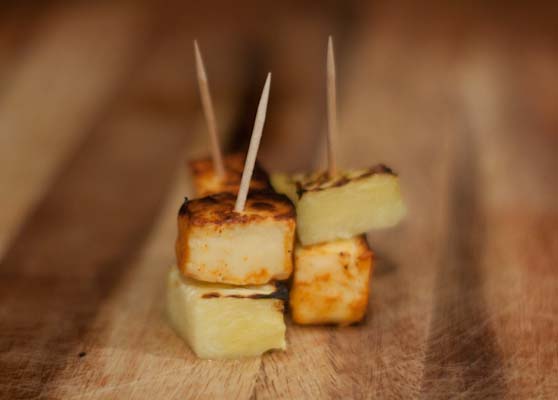
- For a starter before this dal, our paneer and pineapple tikka makes an outstanding Indian banquet canapé.
Lime Pickle
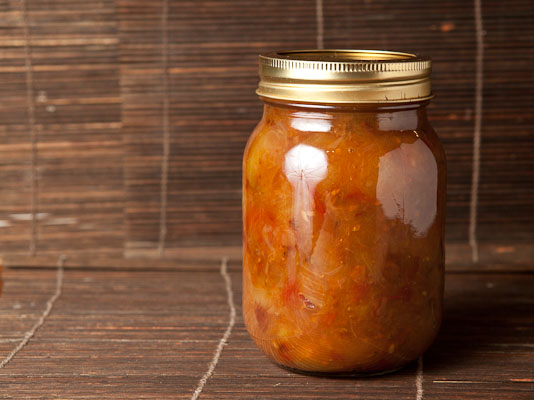
A small spoonful of good lime pickle on the side adds a sharp, tangy contrast to the rich creaminess of the daal that is genuinely excellent. Our lime pickle recipe is quick to make and keeps well in the fridge for weeks.
As a Standalone Bowl
Honestly — a bowl of this daal with nothing more than a swirl of cream, a scattering of fresh coriander and a warm naan is one of the most satisfying meals you can make. Don’t feel obliged to create a full spread. On a cold winter evening this is all you need.
Related: If you like this try our Dhaba Style Mung Dal Recipe
FAQ
Can I make this without a slow cooker?
Yes. Still kick start the daal by microwaving it for 20-25 minutes post soaking. Then simmer the daal [ideally] in a heavy-based pot on the hob over a very low heat. Stir it every 20–30 minutes so it doesn’t catch on the bottom. It’ll take roughly the same length of time as the slow cooker method — the low, slow cooking is what breaks down the lentils and beans and lets the flavours develop, so just keep the heat gentle and be patient.
Can I make this in an Instant Pot or pressure cooker instead?
You can, and it’ll cut the cooking time right down. Pressure cook on a medium heat for about 10 whistles. Then stir through the butter and cream at the end as in the recipe. The texture won’t be quite as deeply developed as the slow cooker version, but it’s a good option if you’re short on time.
Is this recipe vegan?
The recipe above is not vegan given it uses cream and butter. However you can leave these out and still have a great tasting dish. You could also add in a small amount of coconut cream. While this would not be authentic it can add an amount of creaminess.
How long does it keep in the fridge?
Store it in an airtight container and it will keep for 3–4 days in the fridge. That said it never lasts that long in our house! Reheat it gently on the hob or in the microwave until piping hot throughout. You may want to add a splash of water to loosen the daal up a little if required.
Where can i find urid dal?
Most Asian shops/supermarkets will stock urid dal. If you can’t find anywhere locally you can always order it online.
Can I freeze this black daal?
Absolutely. When I make this dish I often make a double batch and freeze half in a tupperware container. To defrost it just remove from the freezer and leave on the work top for 2-3 hours then reheat on a medium heat in a pan.