≡ Menu

One of the side effects of being married to a vegetarian is that I eat a lot less meat than I used to. Given the health benefits that’s not necessarily a bad thing. Being veggies at home means that to avoid eating pasta everyday you need to get a little bit creative with your cooking. Falafel is a great way to do that.

Falafel are a great source of protein, incredibly versatile as well as being very easy to prepare. Traditionally falafels are deep fried which gives them a nice crispy outside. However this recipe keeps things healthy and bakes them instead. If you get the consistency right you’ll find it very hard to tell  the difference between the fried variety.

Baked Falafel RecipeFalafel Recipe

Baked Falafel Ingredients

  • 1 x tin of chickpeas
  • 2 cloves of garlic
  • 1/2 an onion
  • 2 teaspoons of ground cumin seeds
  • 3/4 teaspoon of salt
  • 1 large handful of parsley or coriander
  • 1/2 teaspoon of baking powder
  • 2 tablespoon of olive oil
  • 2 chopped fresh chillies
  • 5 tablespoons of plain or gram (chickpea) flour
  • 1/2 teaspoon of black pepper
  • juice from 1 lemon

[ad name=”square”]

1. This really is a very simple recipe. Add all of the ingredients to a food processor and blitz until roughly chopped. Be careful not to grind the mixture too fine.

2. Roll the mixture into small balls, a little larger than golf balls. If the mixture is too wet try adding a little gram flour or simply spooning the mixture out rather than rolling.

3. Place on a lightly oiled baking tray and squish the balls down slightly to form patties.

4. Bake in a fan assisted oven at 180°C (350°F) for 30 minutes. I usually flip the patties over halfway through cooking to ensure an even bake and a nice golden colour on each side.

There many different ways to serve falafel. My favourite is the traditional way pictured above, served in a warm pita bread with salad, a yoghurt and tahini  sauce and a sprinkling of sumac. However they work equally well in a couscous salad, as a side dish with some dip or spicy tomato sauce. You can even make them a little larger and serve them a veggie burgers.
0 comments

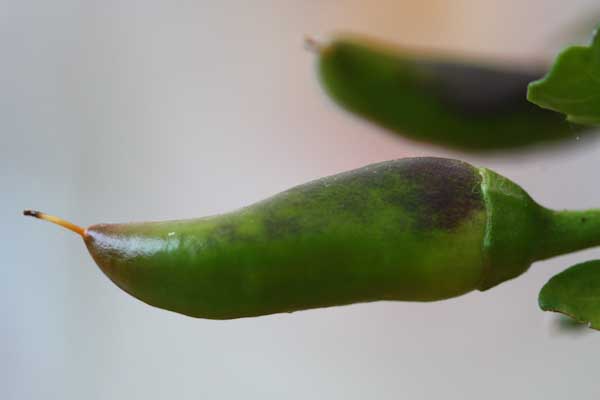
Around this time every year I always get a handful of emails from readers asking me about black chillies. Why are my chillies black? What have I done wrong? Can I eat black chillies? Are my chilli plants mutant?!

During the natural ripening process, it is quite common for chillies to be black in appearance or have black/dark streaks on them.

Most chillies (e.g. Jalapeno, Cayenne etc) will start off life green and ripen through to orange or red. As the pods start to ripen, the sugar content in the fruit increases and the skin will often turn a dark brown or black colour temporarily.

As the ripening process continues the blackness will eventually give way to red. These changes in colour can seem like they are taking an age to happen, especially when you’re waiting for pods to ripen at the start of the summer!

Why are my chillies black

How long this ripening process takes depends on a number of different factors such as weather, feeding regime and watering levels. To speed up the ripening process try to increase the amount of sun your plants are getting.

Usually however these changes happen so slowly that you begin to think there is something wrong with your plants. Then inevitably you’ll turn away for a second and your plant will suddenly be full of wonderfully ripe red pods.

The lesson here is to be patient!

Naturally Black Chillies

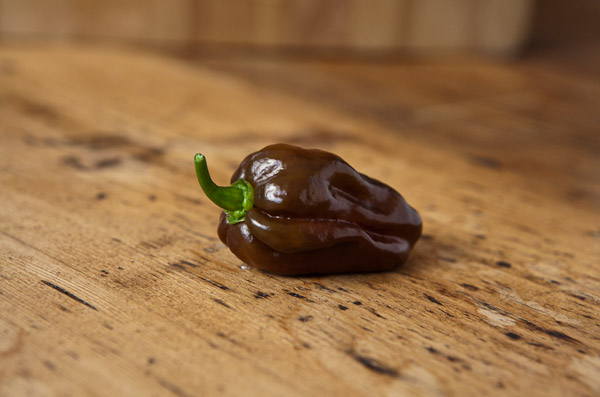
Of course there are some varieties of chilli that are naturally black or brown in colour when ripe. The most popular such variety (and one of our favourites) is the Chocolate Habanero pictured below. These habaneros start off green and ripen through to a deep chocolatey brown (almost black) colour.

Chocolate Habanero chilli pepper

Oh and by the way they are great for making chutney.

Can you eat Black Chillies?

All chillies can be eaten at any stage in the ripening process, including when they are black or brown in appearance. However the flavours can change significantly throughout the ripening process. The best way to work out what is best for your taste buds is to try some pods at different stages of ripeness.

9 comments

Every year spent growing chillies seems to throw up a different problem. Too cold, too changeable, not enough sun, too much rain….there’s always something getting in the way of the perfect growing season. I suppose that’s the attraction of gardening…pitting your horticultural skills against the unpredictability of nature.

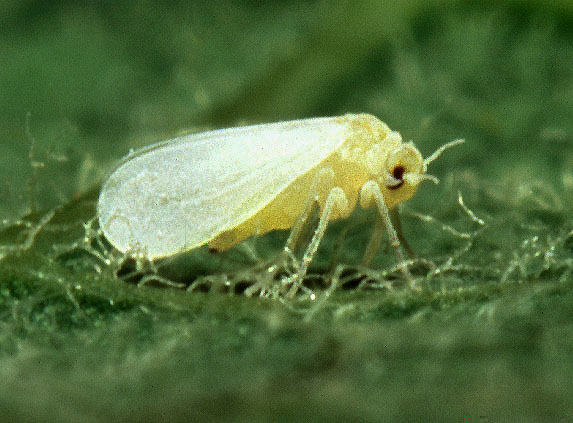
This year the main problem has been whitefly infestations on chilli plants. We’ve talked before a few times about aphid infestations and how to deal with them but to date we’ve not really covered whitefly in much detail.

Having got back from a short holiday I discovered a big whitefly infestation in the chilli house. As with all garden pests it’s usually so much easier to deal with the problem if you catch it early.

Whitefly feed on the plants sap which is why they tend to attack the fresh young growth on plants. Left unchecked they will multiply rapidly and cause lasting damage to the host plants, often stunting their development.

The whitely also secrete a sticky residue on the plants which then attracts dust and muck and usually causes problems with fungal growths on the leaves.

White Fly Infestation on Chilli Plant


Plant Marigolds In With Chillies

In the past I’ve planted French Marigold into pots and kept them in the chilli house. Marigolds are a natural deterrent to aphids and whitefly and I’ve had some success with this method in the past.

Having a full time job with long hours means that I try to avoid pots as much as possible as I spend all of my evenings watering if I’m not careful. In addition planting marigolds in small pots means they tend to dry out very quickly on hot days which isn’t ideal.

I grow most of my chilli plants in Quadgrows or my DIY self watering pots which saves massive amounts of time watering. I don’t know why I’ve never done it but next year I’ll try planting one French Marigold in each self watering pot. This way there’ll be no extra watering involved or extra space taken up by the marigolds.

Lady Birds are Natural Whitefly Predators

If you’ve got kids around the house then they help is at hand. Send them out lady bird hunting – they usually don’t need much encouragement. Ladybirds are phenomenal for their ability to eat their way through a whitefly infestation so if you can catch a few and release them onto your infested plants they will make a material difference.

Air Circulation

If the infestation is really bad I find the best/easiest method is to move all of your plants outside. By doing so you’ll let the natural predators in the garden go to work on the whitefly. This typically clears the problem up in 2-3 days. While the plants are outside be sure to give the greenhouse a thorough clean to ensure any larvae are removed.

Once the plants go back in to the greenhouse always try to ensure you have as many windows/doors open as possible (temperatures allowing). This will ensure natural predators can get in and keep your plants clean.

WhiteFly Traps

According to the Colorado State University whitefly are attracted to yellow things. This means that using sticky fly traps n the greenhouse is a great method to catch mature whitefly. Personally I’m not a big fan of using these traps as they tend top trap ‘good’ insects too (hover fly, lady birds etc). That said if you have a bed infestation and moving the plants outside (see above) isn’t an option then using sticky traps to get it under control can be a good option.

Cleanliness

One key method to prevent pests and disease in the greenhouse (including whitefly) is to keep things clean. By regularly removing any dead plant matter, spilt compost or other organic matter you’ll be removing habitat that pests like. I also try to regularly wipe down shelves, windows and tables with warm soapy water to improve sanitation.

Insecticides

If you have to use insecticides then make sure they are based on pyrethrins (permethrin being the most common). Neem oil sprays are also highly affected.

Hopefully this article has given you some good options on how to control whitefly infestations on chilli plants. Feel free to leave a comment below.

3 comments