
DIY Self Watering Pot
I mentioned some time ago I was thinking of building my own self watering planter. For one reason or another the project never got past the planning stage and then father christmas bought me some Quadgrow self watering planters. I was very impressed with the Quadgrows with all the plants using them outgrowing the normal potted planted significantly (check out my full review of these here).
So with the help of my father I thought I might try to make some smaller diy self watering pots that I could dot around the garden this summer.
The varieties I’ll be growing outside this summer will mainly be C.Annumns and C.Pubescens that tend to grow quicker and tolerate the outdoor weather better than some of the other varieties. Hopefully by growing some of these in self watering pots their growth can be maximized further allowing a harvest not too far of what I’d expect were they to be grown under glass.
Materials (for each container)
- 2 x black plastic pots
- 32mm drain pipe
- duct tape
- capillary matting
The pots were bought from Morrisons supermarket – they sell off the old pots their cut flowers come in for £1 for 8 pots which is very reasonable. Any pots would do however they must not have holes in the bottom as the water reservoir will be sitting in the bottom of these.
All of the other bits I managed to find lying around the shed so the total cost for each pot came in at about 25 pence each!
The Build Process
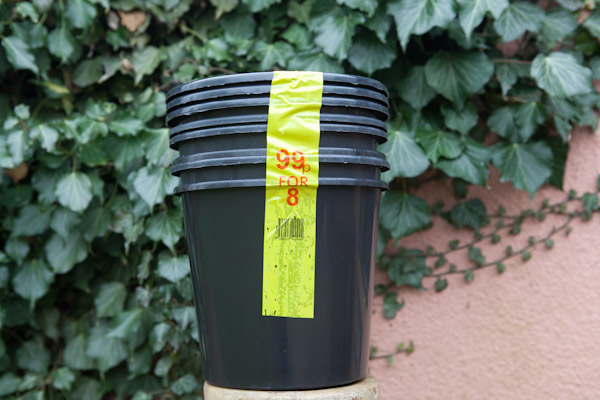
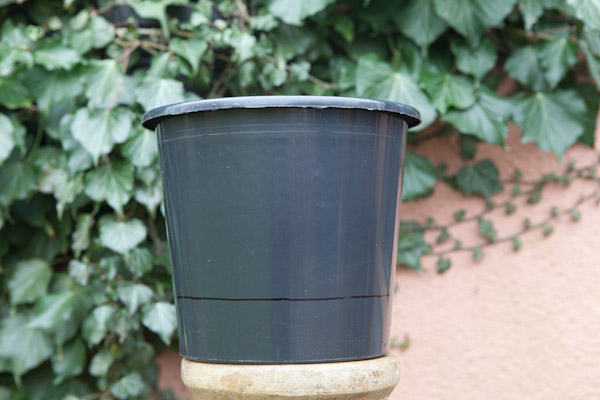
First I marked 2 inches up around the base of one of the pots and with a Stanley knife, carefully cut round the mark. This was quite tricky as the pots are quite thin and prone to splitting. Turned upside down and placed inside the pot this 2 inch part will form the barrier between the water reservoir and the soil above.
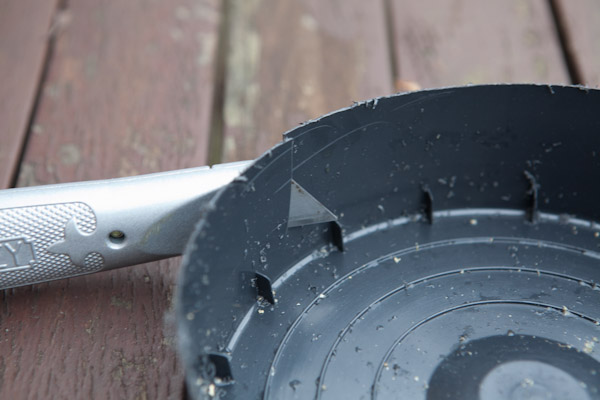
Of course the top of the pots is slightly wider than the bottom so when you try to put the barrier in the bottom of the pot it is slightly too big. To help make it fit I cut 3 vertical slits into the walls, almost to the bottom. This ensures a good fit into the outer pot.
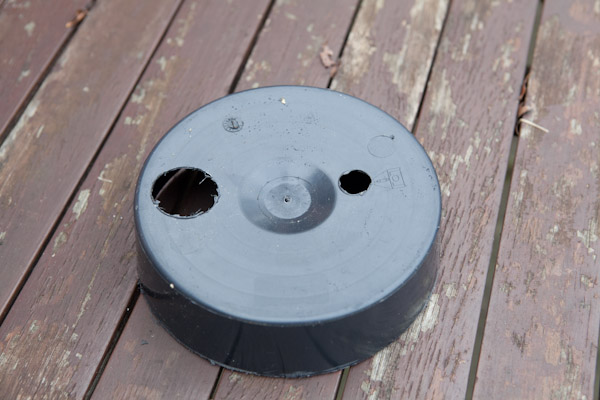
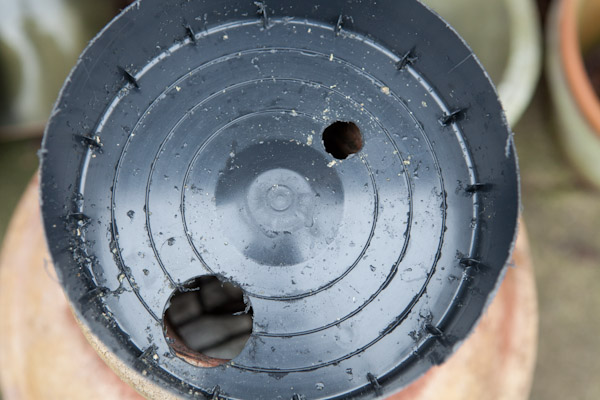
Next I cut two holes into the bottom of the raised base – one for the watering pipe and one for the wicking membrane (capillary matting) to push through. The hole for the pipe (near the edge of the circle) was 32mm while the wick hole (near to the center) was about 18mm.
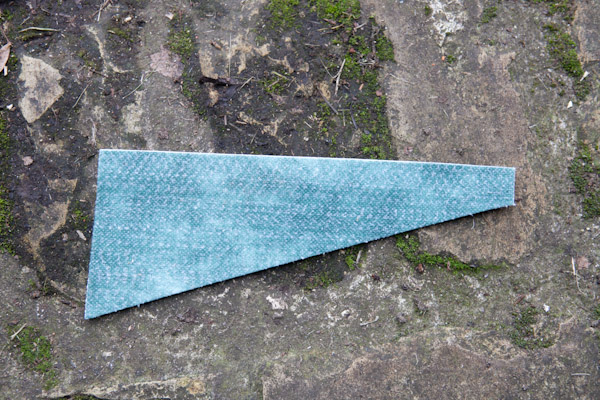
For the wick I just cut a rough triangle from regular capillary matting about 25cm in length. The thick end will sit in the water reservoir while the narrow end will poke through the small hole in the barrier up nto the compost above. As i learned from the quadgrow last year the plants roots will quickly grow around the wick sucking up the moisture as and when they require it.
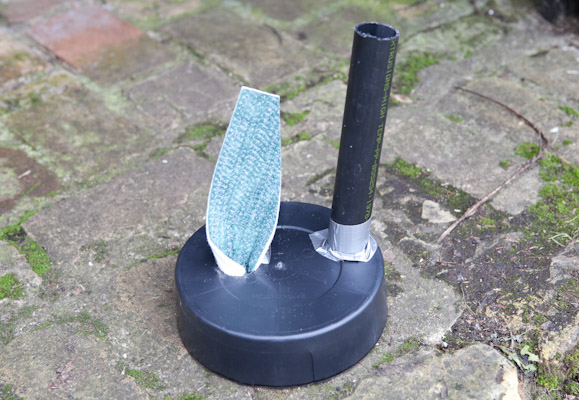
After cutting the length of pipe to 25 cm I assembled the wick and the pipe into the base. To stop compost falling down into the water reservoir I added a bit of duct tape around the bottom of the pipe. Here’s how it looked assembled ready to be put into the main pot.
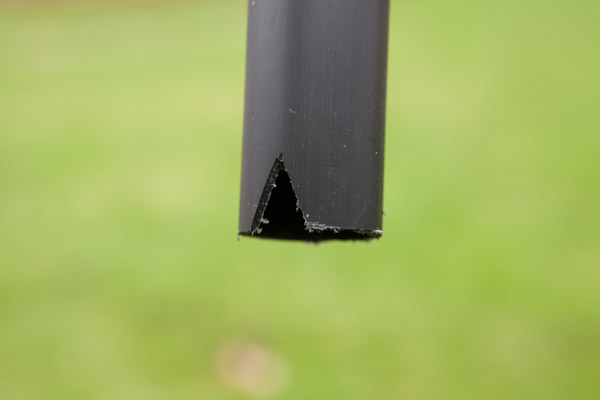
Before I the final assembly I cut a couple of small grooves into the bottom of the pipe. This will make sure the water can get through into the reservoir just incase the pipe is sitting too flush on the bottom of the outer pot.
So, after fully assembling the pots here is how they look….
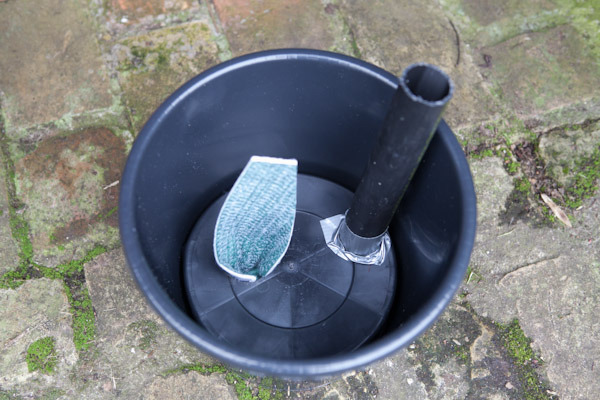
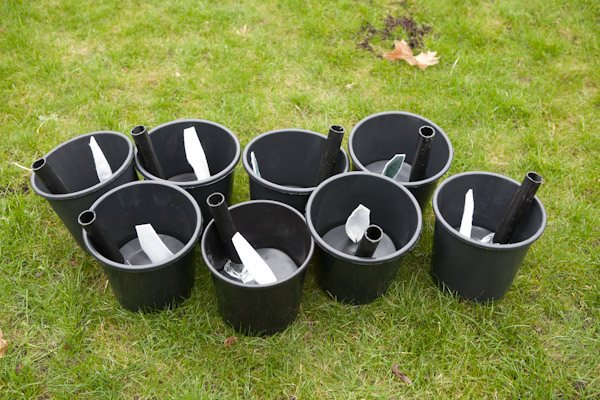
I’m pretty pleased with how they came out. They’ll certainly help to prevent any pots drying out IF we get a nice hot summer this year. As with the Quadgrows I’ll use some nutrients mixed in with the water – most likely a liquid tomato feed at half the recommended strength.
Once I start using them and the chilli plants are in place I may cover the top of the compost with black plastic to help prevent losing moisture via evaporation…I’ll let you know if I get around to that one!
Update: Since writing this post I’ve made two adaptions to this design:
Update 1) I’ve drilled an overflow hole in the side of each pot level with the top of each of the water reservoirs. This will prevent me from overfilling the reservoirs and water logging the roots.
Update 2) I’ve drilled lots of (about 10-15) small holes in the top of each of the reservoir lids. This is to help aerate the roots and again prevent water logging.
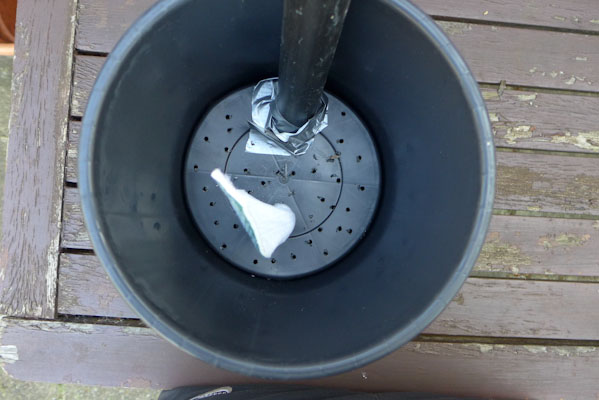
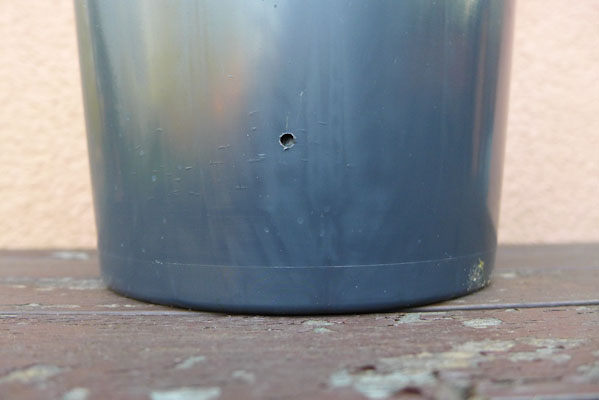
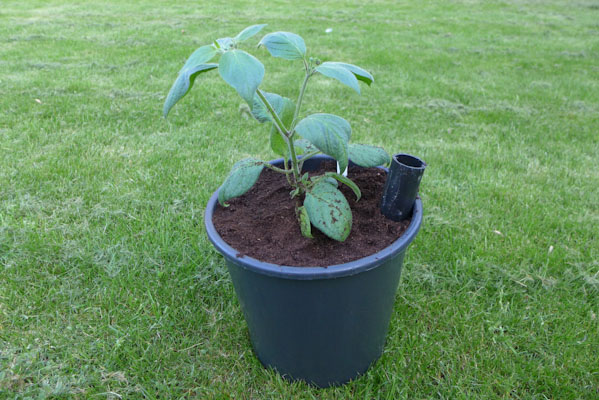
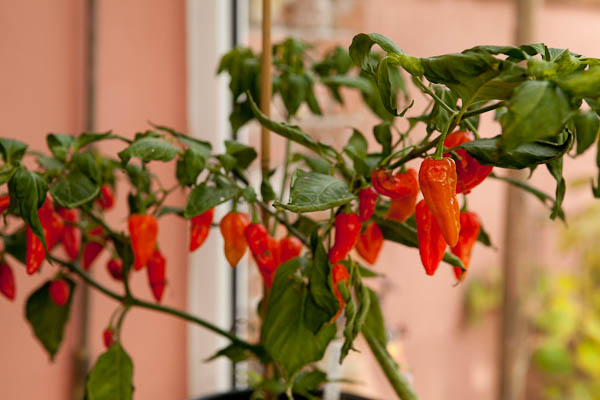
Above is the finished product. The Orange Rocoto pictured above has been thriving since it was planted up. As with other self watering pots I water from the top straight after potting up the plant. Then I leave the plant for a few days to dry out before i fill the water reservoir up. Doing so will encourage the plants roots to grow stronger and hopefully find the wick sooner once the reservoir is filled.
Hmm.??
I would think the extra holes drilled into the top of the Rez would allow the roots to sit in stagnate nutrient solution and invite root rot.without evidence of a full grow cycle through this system I would hesitate on using it. Especially since all the questions regarding the end results were avoided.
Dave,
Yes the roots tend to grow down into the reservoir (even without the extra holes on top of the reservoir). However I’ve had no issues to date with root rot after 3 years of using self watering pots like this.
Great tutorial and very easy to follow.
Regarding soil falling into the reservoir, the easy fix is to make a “dish” out of weed barrier fabric (wilko,BM,wickes or B&Q) that extends up the sides a little. It provides a barrier for the compost but allows water and air through.
Looking forward to updates 🙂
All the best
Colin,
Nice idea regarding the weed barrier fabric, I’ll have to give that a try!
Great pots, i am now following your updates here, thx, oh one question, do you still use half strength tomato fertilizer even before your chillis start to flower/pod up ? as i thought your meant to use a balanced fert for green growth, then potash for when in fruit, cheers
Any up date on these pots and how they are performing. I have an free supply of these pots from my local flower store but wanted to enquire how you were doing to see if i should copy.
One question, would some different media around the edge be better before the soil is going in. Over time surely the res will be full of earth.
One more question. What are the types of peppers (tall growing) that you think might do best outdoors proper in southern england summer climates.
THanks
POP hibbert
Pop hibbert – So far the plants in these self watering pots are growing much faster than those in regular terracotta pots. I’m actually running an experiment…in some of the pots i duct taped round the edges to prevent soil getting into the reservoir while in others i didn’t. I’ll report back the results.
In terms of varieties for outdoors Rocotos tend to do well in less warm climates like we have here in the uk. Also I’ve had good success with growing apache, jalapeno and cayenne’s outside in the British summer. Good luck!
Sounds very hopeful. Are you giving them a weekly feeding with nutrient ? If so what are you using.
Finding your blog most helpful
Keep it up !
Raymond – Initially I don’t feed the plants for about the first 3-4 weeks as there should be plenty of nutrients in the compost. After this initial period I’ll be feeding them with regular tomato feed diluted to about half the recommended strength.
hi,please could you update this with some pictures or opinions on how well your self watering tubs did , they look great, thanks for the guide
Hi great tutorial. How many litres does the reservoir hold?
Thanks.
Thanks. I’ve got the bits but I think my seedlings will take a while before they need a pot this size. Used your advice on the kitchen roll germination and the results have been really good.
Great idea, I’ll definitely give this a go. How long do you think they will last before needing a top up?
Gonzo – it will vary massively depending on the temperature. I expect to top them up maybe every other day if it gets really hot. In similar size pots last year I was watering twice daily when I was really hot. In ‘normal’ summer temps I expect twice a week should be enough to keep the plants well watered.
Great idea, thanks for posting this!