As mentioned in my last post it’s time to start thinking about growing some chillies in 2012. The first week in January seems to be an excellent time to get some seeds in the dirt and get a really good early start to the growing season.
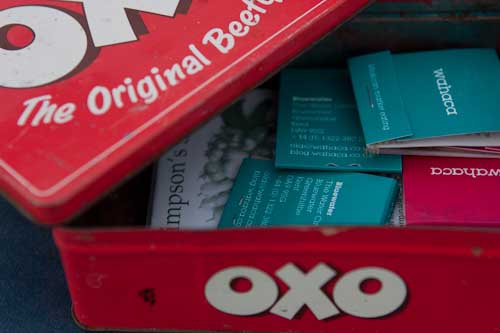
I mentioned before about the free Serrano seeds I got from Wahaca last week. I’ve seen these before on previous visits but it’s always been the wrong time of year to plant them. Now however s the perfect time to get some germinating so hopefully I’ll have a nice crop of Serrano’s in the summer with which to knock up some good Mexican dishes.
As you can see below they come in a ‘book of matches’ with a couple of seeds stuck onto match like pieces of cardboard. A neat little gift and I’m sure a very effective marketing tool!
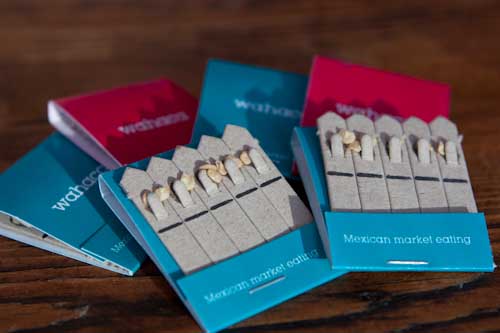
To plant them, you simply pull of the matches and pop them into the soil up to the line. Seems simple enough and it was. I’ll be particularly interested to see what the germination rates are on these Serranos. I’m not usually a fan of planting multiple seeds in the same hole as I feel it can harm the roots when you remove the weaker seedling so we’ll see what success I have with these seeds.
I’m using my usual potting mix which has worked so well in previous years.
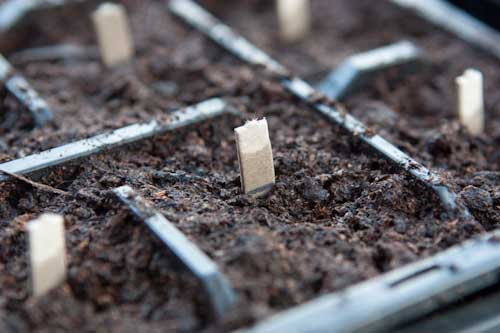
In addition to the Serrano seeds, I also planted some Aji Hot and Rocotto Red. Again nothing fancy here, I just popped the seeds on top of the compost mix then sieved about 4mm of compost over the top before watering with a fine rose.
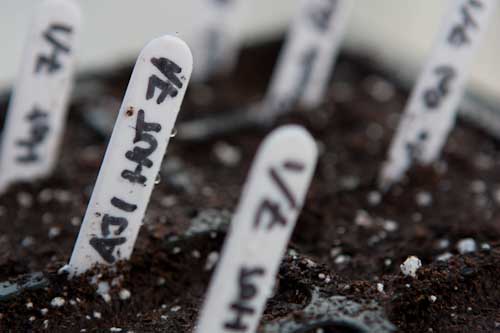
Now, if you are planting chilli seeds in January in the UK you are going to have to keep them warm. You can of course go out and invest in a heated propagator. It did pass my mind to treat myself to one the other day however the one i wanted was over £120! I couldn’t really justify that so I use my little reptile heat mat to speed up germination and simply place a regular [cheap] propagator on top of that. These mats emit a very low gentle heat, perfect for propagating seeds, and a fraction of the cost of a good quality heated prop.
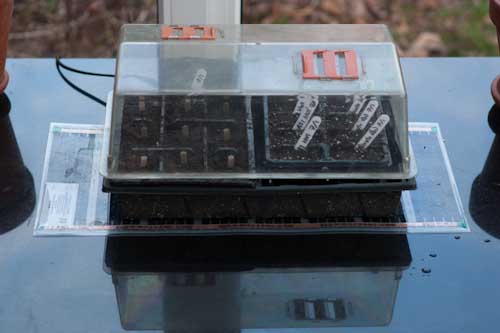
As you can see I’ve left the seeds to germinate in our conservatory. After scorching some seedlings last year I’ll be sure to keep an eye on them. I generally tend to pop the vents open on the propagator during the day to prevent build up of mold and close them at night to keep the heat in.
I’ll plant another 2 or three batches of seed sin the coming weeks – it’s never a good idea to have all of the eggs in one basket. Next time I’ll plant some Lemon Drop and Ring of Fire as well as some of the usual Habanero’s and Scotch Bonnets.
Happy Growing and good luck for 2012!
So it is just a week or two since I picked the last pepper pods of 2011 and now it is time to turn my thoughts to 2012.
Over the past few years my seed box has grown and grown and rarely been cleared out as you can see. I’ve decided this is the year to throw away all my old seeds that are probably past it and grow a few varieties that I haven’t tried before.
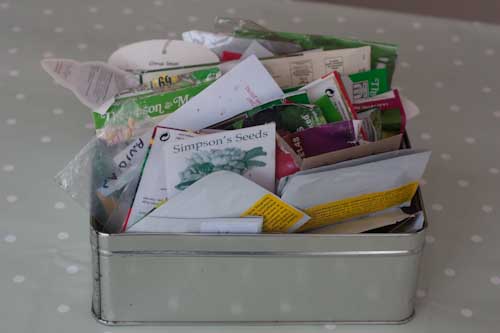
For some reason I always end up growing a lot of habanero/scotch bonnets and Cayennes so this year I’m making a bit of effort to grow some more varieties I’ve not tried before. As a result, I’ve just purchased some seed from the excellent Simpson’s Seeds. Here are the varieties I’ve picked up:
Aji Hot
(Species: Cap Baccatum). These plants produce medium heated (short and thin) pods that look like short cayenne’s, maturing to a bright red from a pale yellow/green colour. The big things that attracted me to this Aji is that it is usually heavy yielding and can be overwintered. Hopefully these [plants will provide me with a large yield of chillies to use everyday for cooking.
Lemon Drop
(Species: Cap Baccatum). I’ve decided to grow these for their Lemony flavour. These 4cm long yellow pods should be quite a bit hotter than the Aji’s if not quite as prolific.
Rocoto Red
(Species: Cap Pubescens). These Rocoto’s produce roundish pods that aren’t that dis-similar from sweet peppers. Don’t let that deceive you though as they pack quite a punch in terms of heat. Like all Capsicum Pubescens the plants produce pretty purple coloured flowers and uniquely black seeds.
Ring of Fire
(Species: Cap Annum). Like most Annums these are easy to grow (apparently) and early fruiting. The pods are cayenne like and very hot. Hopefully I’ll have a heavy enough yield to dry them and make some paprika powder in the late summer.
Seranno
We were out for a Mexican meal at the excellent Wahaca a couple of days ago (if you fancy trying authentic Mexican food – not the usual Tex Mex rubbish, you’ll love it). As a rather nice touch they give you a little pack of Serrano chilli seeds (again i’ve not grown these before) when you pay the bill so I’ll also be giving these ago this year.
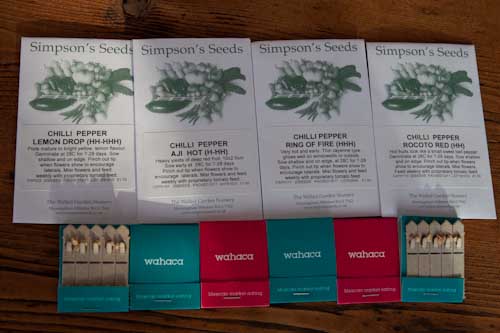
Unlike last year I intend to start a bit earlier this year by planting some seeds soon after the New Year. I’ll report back once i’ve got some seeds in the ground. What are everyone else’s plans for this years growing? Share what varieties you’re planning to grow in the comments below.
Recipes don’t get much simpler than this. If you can fry some courgettes you can make this delicious vegetarian tart. This is a great vegetarian lunch dish – perfect served with a salad or alternatively served as a side at a bbq.
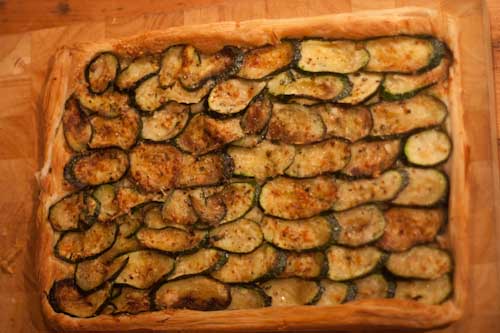
I usually cheat and use ready made pastry as its so much easier and produces great results. Feel free to make your own though!
Courgette and Chilli Tart Ingredients
1 roll of pre made puff pastry
1 handful of freshly grated parmesan
2 large courgettes
2 cloves of garlic (crushed)
1 tablespoon of olive oil
2 freshly chopped red chillies
Fresh thyme (lemon thyme if possible)
Method
Thinly slice the courgettes and fry gently in the olive oil with the garlic. Depending on the size of you pan you may have to do them in batches. Set the fried courgettes to one side.
Next lightly flour a baking tray and place your pastry on top. Sprinkle 1 table spoon of grated parmesan onto the pastry along with a few twists of black pepper.
Place the cooked courgettes on top of the parmesan making sure they overlap and leaving only about 2cm of pastry showing round the edges. Next sprinkle the freshly chopped chillies, thyme and remainder of the parmesan on top.
Drizzle with olive oil and lightly brush the edges of the pastry with a beaten egg or milk to help golden. Finally cook in a medium oven (about 180 degrees C) for about 20-25 minutes or until the pastry is golden brown.