
If you grow your own chillies you will almost certainly find yourself facing the same situation every August. More ripe pods than you can possibly use fresh, and a growing season that ends far sooner than you’d like. Preserving your chilli harvest is the solution, and if done well it means you’re still cooking with your own chillies in January and February when the next crop is only just germinating.
After more than twenty years of growing chillies in the UK, we have tried almost every preservation method available. This guide covers each one honestly; what it is best suited to, which varieties work well, and how long it keeps. For each method we’ve also linked to our detailed dedicated guide where we cover each preserving technique in full.
Which Method is Right for Your Chillies?
The best preservation method depends on how you want to use your chillies later. Here’s the quick answer before we go into detail:
| Method | Best for | Keeps for | Best varieties |
|---|---|---|---|
| Freezing | Cooking fresh-tasting chillies in any dish | 12+ months | All varieties |
| Drying / Flakes | Sprinkling over food, cooking, long storage | 12-24 months | Thin-walled (cayenne, bird’s eye) |
| Chilli oil | Drizzling, cooking oil, finishing dishes | 3 months | Dried varieties |
| Pickling | Condiments, toppings, tacos, burgers | 3-6 months | Jalapeño, fresno, serrano |
| Chutney | Cheeses, cold meats, sandwiches | 12 months | Any variety |
| Chilli jelly | Cheese boards, glazing meat, gifts | 12 months | Any variety |
| Chilli sauce | Hot sauce, table condiment | 3-6 months | Scotch bonnet, habanero, cayenne |
Freezing Chilli Peppers (The Quickest Method)
Freezing is the simplest and most versatile preservation method. No cooking, minimal equipment and the frozen chilli tastes almost identical to fresh once cooked. It is our go-to method for dealing with a sudden harvest glut.
How it works: Wash and dry chillies thoroughly, spread on a baking tray in a single layer, freeze for 2 hours, then transfer to airtight freezer bags. The initial tray freeze prevents them clumping together into a solid block. Label with variety and date. Larger pods can be cut in half if needed.
What it’s best for: Any cooked dish such as curries, soups, stews, pasta sauces, stir fries. Frozen chillies go soft on defrosting so aren’t suitable for fresh applications like salsa or garnishes.
Which varieties: All varieties freeze well. Thick-walled varieties like habanero and scotch bonnet that are difficult to dry actually freeze particularly well. Thin-walled varieties like cayenne and bird’s eye freeze beautifully and can be chopped straight from frozen.
How long it keeps: At least 12 months, often significantly longer. We regularly use chillies frozen for 2 years with no detectable quality loss.
The ice cube method: Finely chopped chillies frozen in ice cube trays with water create perfectly portioned cooking quantities. One cube equals roughly one medium fresh chilli — just drop into your pan from frozen.
Full guide: How to Freeze Peppers – The Complete Guide Guide.
Drying Chillies (For Long Term Storage 7 Flakes)
Drying removes virtually all moisture from the chilli, concentrating the flavour and heat and producing a completely shelf-stable product that keeps for years. Dried chillies taste different from fresh – more intense, earthier and more complex flavour.
Which varieties dry best: Thin-walled varieties with less flesh: cayenne, bird’s eye, ring of fire, ancho, pasilla. These dry relatively quickly and evenly. Thicker walled varieties like habanero and scotch bonnet are more difficult to dry easily at home and are better frozen or made into sauce or chutney. If you want to dry thick-walled varieties, a food dehydrator is strongly recommended (see below).
The dehydrator method (best method): A food dehydrator at 55-60°C produces the most consistently dried chillies with the best colour retention. 4-8 hours depending on variety. A food dehydrator is the most worthwhile equipment purchase for anyone who regularly preserves a harvest. Not just chillies but they handle herbs, mushrooms, fruit and tomatoes equally well.
The oven method: 80-90°C with the door slightly ajar for 2-5 hours. Check every hour. The chillies are ready when completely brittle and snap cleanly rather than bending.
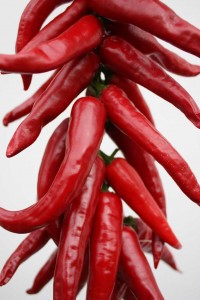
The air drying / ristra method: Thin-walled varieties can be threaded on string or wire and hung in a warm dry location for 2-4 weeks. As well as being effective this is genuinely beautiful. A chilli ristra hanging in a kitchen is one of the most attractive things you can do with a harvest. See our how to make a chilli ristra guide for the technique.
Grinding to flakes or powder: Once fully dried, chillies can be ground in a spice grinder or blender to produce chilli flakes (coarse grind) or chilli powder (fine grind). Both are significantly better than anything from a supermarket jar. A dedicated spice grinder produces the best results. Grind in a well-ventilated room and wear eye protection for superhot varieties.
How long it keeps: Whole dried chillies keep for 1-3 years stored in an airtight jar away from light. Chilli flakes and powder 12-18 months. Signs of moisture (darkening, black spots, mould etc) mean discard immediately.
Full guide: How to Make Chilli Flakes
Full guide: How to Make Chilli Powder
Pickling Chillies (For Condiments and Toppings)
Pickling preserves chillies in a vinegar brine that keeps them crisp and adds a pleasant acidity alongside the heat. Pickled chillies are a condiment in their own right rather than a substitute for fresh — they add a different dimension to food rather than replacing fresh chilli.
Best varieties for pickling: Jalapeño is the classic choice — its thick walls hold up beautifully in the brine, staying pleasantly crunchy for months. Serrano, fresno and cayenne also work well. Habaneros can be pickled but their fruity character changes significantly in the brine.
What they’re for: Tacos, burgers, nachos, pizza, sandwiches, cheese on toast. Anywhere you want heat and acidity simultaneously.
How long they keep: Several months sealed in a sterilised jar in a cool dark place. Once opened refrigerate and use within 4-6 weeks.
Full recipe: Simple Pickled Jalapeño Recipe
Chilli Chutney (The Best Use for a Large Glut)
Chilli chutney is our most popular preservation recipe and for good reason. A a single large batch uses up a substantial quantity of fresh chillies and produces jars of deeply complex, spiced preserve that improves significantly with age and keeps for a year or more.
Made with fresh chillies, onions, tomatoes, vinegar and spices and slow cooked until thick and jammy, chilli chutney is genuinely better than anything available commercially and makes an outstanding homemade gift.
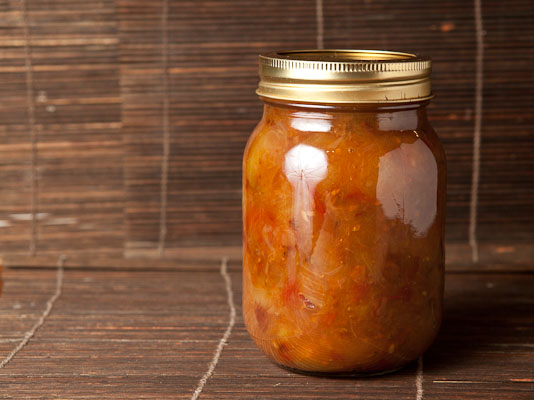
Best varieties: Works with any chilli variety. The heat level of the finished chutney reflects the varieties used. We typically use a mix of whatever is ripening in the garden, ranging from mild cayenne to a handful of hotter habaneros for depth.
How long it keeps: Up to 12 months sealed in sterilised jars stored in a cool dark cupboard. The flavour profile actually improves during the first 6 months of storage. Once opened refrigerate and use within 6 weeks.
Full recipe: Chilli Chutney Recipe
Chilli Jelly (Sweet, Spicy and Beautiful)
Chilli jelly uses natural apple pectin to produce a clear, jewel-like preserve that is equally at home on a cheeseboard, glazing grilled meat or given as a gift. It’s been one of our most popular recipes since 2010 and returns comments from readers who’ve been making it for years.
The technique involves boiling whole apples (skin, core and all) with chillies and vinegar, straining through a jelly bag overnight and boiling the strained juice with sugar to setting point. More involved than chutney but the result is spectacular.
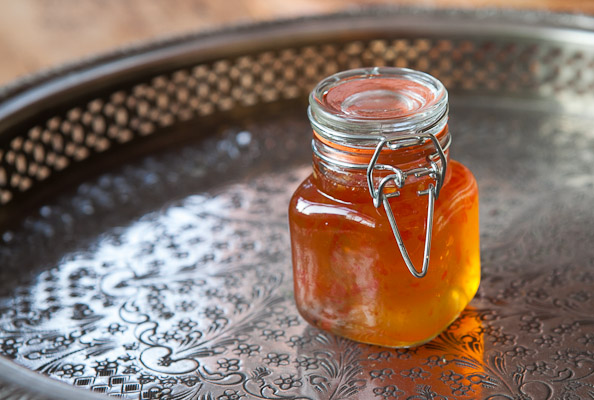
Best varieties: Any chilli works. The heat level adjusts with variety and quantity. Scotch bonnet gives a fruity heat that works brilliantly with the apple base.
How long it keeps: 10-12 months sealed. Once opened refrigerate and use within 6-8 weeks.
Full recipe: Chilli Jelly Recipe
Homemade Hot Sauce (Bottled Heat)
Blending fresh chillies with vinegar, salt and a little sugar produces a pourable hot sauce that keeps for months and is dramatically better than shop-bought alternatives. The simplest versions are just chillies and vinegar, more complex versions add garlic, carrot, onion and spices. Feel free to experiment.
Best varieties: Scotch bonnet and habanero produce the most distinctive fruity hot sauces. Cayenne gives a cleaner, more straightforward heat. Naga and superhot varieties produce intensely hot sauces best used sparingly.
How long it keeps: Several months sealed in a sterilised bottle. Once opened store in the fridge for up to 3 months.
Scotch bonnet version: Scotch Bonnet Sauce Recipe
Habanero version: Habanero Hot Sauce Recipe
For a more complex, deeply flavoured sauce see our fermented chilli sauce recipe. A simple recipe but the 7-14 days of hands-off fermentation produces something genuinely extraordinary.
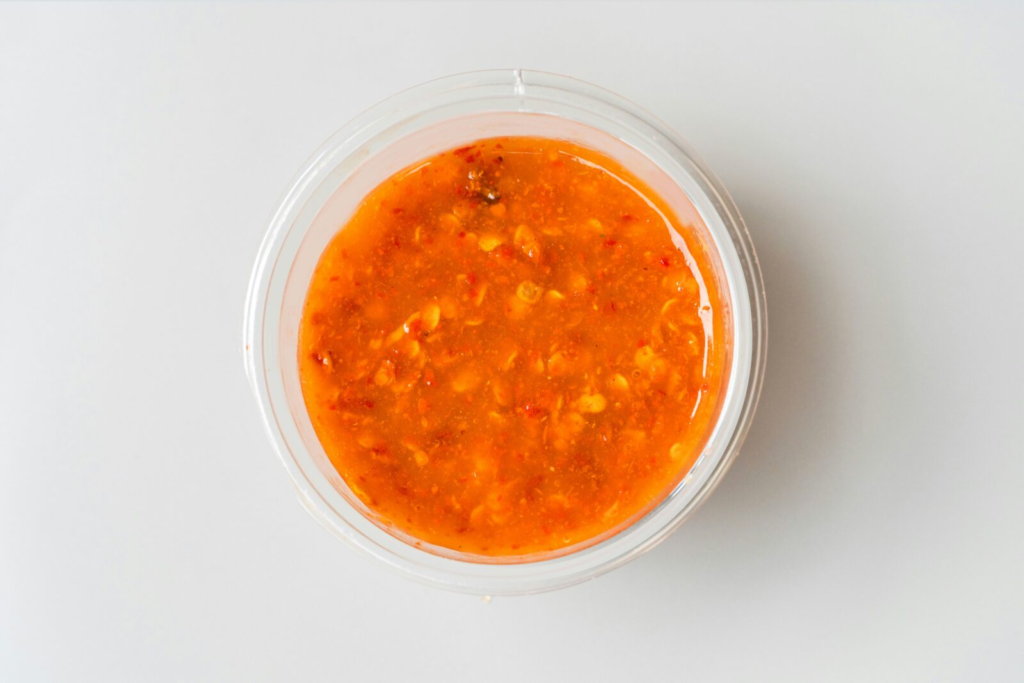
Sweet chilli sauce is one of the best uses for a large harvest of ripe red chillies. Our homemade sweet chilli sauce recipe uses fresh chillies rather than dried flakes for a far better result than shop-bought.
Chilli Oil (Simple and Incredibly Versatile)
Infusing oil with dried chillies produces one of the most versatile condiments in the kitchen. Drizzle over pizza, stir through pasta, use as a cooking oil, finish grilled meat, dip bread. A bottle of homemade chilli oil is also one of the best food gifts you can make.
How it works: Chillies are pre-treated in hot vinegar (which lowers pH and significantly reduces the risk of bacterial growth) then gently heated in oil. The key safety step is the vinegar pre-treatment, never make chilli oil by simply submerging raw fresh chillies in oil and leaving at room temperature.
Best varieties: Almost any dried chilli works well. Bird’s eye, cayenne and dried habanero each produce oils with distinct character. Mixing varieties produces complex results.
How long it keeps: 2-3 months sealed in a sterilised glass bottle stored in a cool dark place. Once opened refrigerate and use within 8 weeks.
Full recipe: Homemade Chilli Oil Recipe
Choosing the Right Method (Our Recommendations)
If you have a sudden large glut: Freeze immediately. Freezing takes 15 minutes of active work and can handle any quantity. Sort everything else out later when you have more time.
If you have thin-walled varieties (cayenne, bird’s eye, ring of fire): These dry beautifully. Make chilli flakes and powder for year-round cooking use.
If you have thick-walled varieties (habanero, scotch bonnet, bell pepper): Freeze the surplus, make hot sauce with some, and if you have a large quantity make a batch of chilli chutney.
If you want to give gifts: Chilli jelly, chilli chutney or a bottle of chilli oil are the three most impressive homemade food gifts you can make. All keep well and all look attractive in a good jar.
If you want a condiment for immediate use: Pickled jalapeños. Ready within hours and keeps for months.
If you want maximum shelf life with minimal equipment: Drying. A well-dried and stored chilli can last 2-3 years.
Preserving Equipment worth Having
A few pieces of equipment make preservation significantly easier and are worth investing in if you preserve your harvest regularly:
A food dehydrator: The most versatile preservation tool available. Handles chillies, herbs, mushrooms, fruit and tomatoes consistently and well. Available on Amazon UK →
A set of Kilner jars — essential for chutney, jelly, pickles and chilli oil. A good set of Kilner jars lasts for years. Available on Amazon UK →
A jam funnel — prevents mess when filling jars with hot chutney or jelly. Inexpensive and surprisingly useful. Available on Amazon UK →
A spice grinder — for grinding dried chillies to flakes or powder. A dedicated grinder keeps chilli residue separate from your coffee. Available on Amazon UK →
Nitrile gloves — essential when handling hot varieties for any preservation method. Available on Amazon UK →
FAQ
What is the best way to preserve chillies?
Freezing is the quickest and most versatile method: wash, dry, flash freeze on a tray then bag up. It works for all varieties and keeps for 12+ months. For longer shelf life without a freezer, drying to flakes or powder is ideal for thin-walled varieties. For a usable preserve that improves with time, chilli chutney or jelly are the best choices.
How long do preserved chillies last?
It depends on the method. Frozen chillies last 12+ months. Dried chillies and flakes 12-24 months. Sealed chutney and jelly up to 12 months. Chilli oil 2-3 months sealed. Pickled jalapeños several months sealed. Once any preserved chilli product is opened, refrigerate and use within 4-8 weeks depending on the product.
Can you preserve chillies without cooking them?
Yes. Freezing requires no cooking at all. Air drying whole chillies and making raw chilli flakes also requires no heat processing. Pickling, chutney, jelly and chilli oil all require cooking to varying degrees.
Which chilli varieties are hardest to preserve?
Thick-walled varieties (such as habanero, scotch bonnet, bell pepper) are the most difficult to dry because their flesh retains moisture and can go mouldy before fully drying. Freeze these varieties rather than attempting to air dry them. A food dehydrator can handle thick-walled varieties successfully where air drying and oven drying cannot.
Is it safe to make chilli oil at home?
Yes, provided you follow the vinegar pre-treatment method described in our recipe. The vinegar pre-treatment lowers the pH of the chilli and significantly reduces the risk of bacterial growth in the oil. Never make chilli oil by simply submerging fresh chillies in oil at room temperature. This creates unsafe conditions for bacterial growth. See our chilli oil recipe for the full safe method.
How do I know when dried chillies have gone bad?
Signs of spoilage in dried chillies: visible mould (discard immediately), significant colour change to dark brown or black, strong musty smell rather than the characteristic chilli aroma, or visible moisture. Properly dried and sealed chillies should not show any of these signs within 12-18 months.
All Our Preservation Guides
- How to Freeze Chilli Peppers — the complete freezing guide including variety-specific advice
- How to Make Chilli Flakes — oven and dehydrator methods, grinding technique
- How to Make Chilli Powder — grinding dried chillies to powder
- Chilli Oil Recipe — the safe vinegar method
- Simple Pickled Jalapeño Recipe — quick vinegar pickle
- Chilli Chutney Recipe — our most popular preserve
- Chilli Jelly Recipe — sweet, clear and stunning
- Scotch Bonnet Sauce Recipe — pure fruity heat
- Habanero Hot Sauce Recipe — with charred garlic and carrot
- How to Make a Chilli Ristra — decorative air drying