
When are my chilli peppers ripe? – The 5 Signs to Look For
When are my chilli peppers ripe? This is one of the most common questions we receive here at Chilli King HQ since we started the site growing peppers over 20 years ago. In this post we will give you some tips to help you pick your chillies at the right time. This will enable you to maximise both the flavour and yield of your chilli crop.
Quick Answer: Most chillies are ready to harvest as soon as they reach their final maturity colour, feel firm and glossy and have stopped increasing in size. While chillies can be eaten green, they tend to sweeten and develop more flavour and heat as they fully ripen. In the UK this usually occurs in late summer/early autumn. Here are the main 5 signs to look for:
5 Signs Your Chilli Peppers Are Ripe
- Colour: Your variety has reached its final ripening colour (not just any change)
- Size. The pod has stopped growing and feels full rather than hollow
- Firmness. Firm and glossy rather than soft or wrinkled
- Ease of picking. A ripe chilli separates cleanly with a gentle twist
- Fragrance. Ripe chillies smell noticeably more fragrant than green ones
When Does Each Chilli Variety Ripen? – UK Timing Guide
The table below shows how some common varieties ripen.
| Variety | Ripens from | Ripens to | UK timing |
|---|---|---|---|
| Cayenne | Green | Red | August-September |
| Jalapeño | Green | Red (or stay green) | August-September |
| Habanero | Green | Orange | September-October |
| Scotch Bonnet | Green | Red, yellow or orange | September-October |
| Naga / Bhut Jolokia | Green | Red | October (needs greenhouse) |
| Bird’s Eye | Green | Red | August-September |
| Demon Red | Green → black | Red | July-September |
| Padron | Green (pick young) | Red (overripe) | July-September |
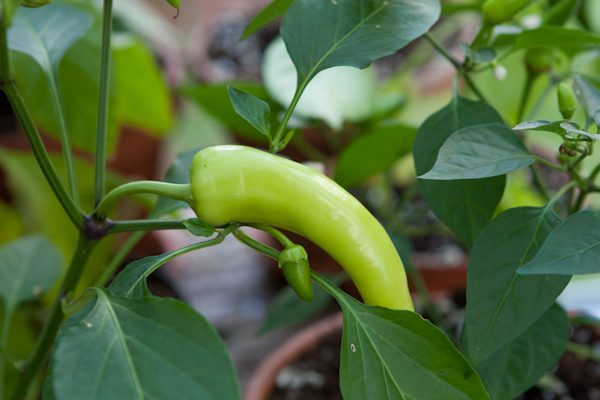
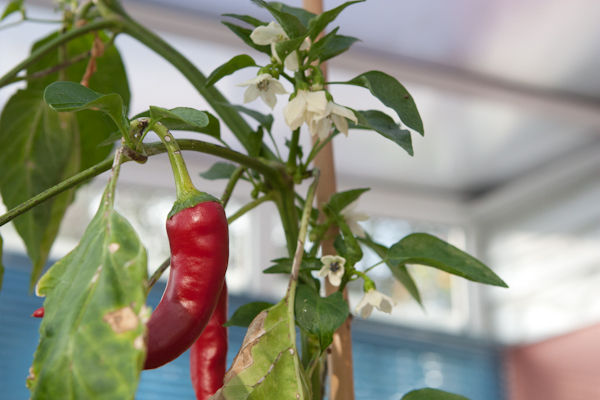
Most varieties tend to ripen from green to dark brown to red/orange/yellow. Perhaps the best known example is the humble cayenne which most people either think of as red. In fact these are the same variety of cayenne, just at different stages of ripeness.
Does Colour Affect Heat and Flavour?
The fruit of chillies can generally be eaten at any stage of the ripening process however the flavour will change as the ripening process occurs. This is something many growers don’t fully appreciate.
Green chillies are unripe. That is not to say they should not be eaten green. Green chillies tend to have a slightly bitter, grassy flavour and are generally less sweet than ‘ripe’ peppers. They can still be very hot — a green jalapeño is by no means mild — but the flavour profile is different from a ripe red one. Green chillies work brilliantly in fresh salsas, guacamole and dishes where you want a sharper, fresher flavour.
Fully ripe chillies (red, orange, yellow or whatever the final colour for your variety) have had longer on the plant to develop their natural sugars. As a general rule, this makes them noticeably sweeter and fruitier. Ripe red jalapeños taste quite different from green ones — less sharp, more complex and slightly hotter. For preserving, drying, making chilli oil or adding depth to cooked dishes, ripe fruit is almost always the better choice
There are no set rules and every chilli variety is different so be warned of generalisations. The best way to know when your fruit are ready to ripen is to try and taste them at different stages. For example I tend to pick jalapenos red if i’m using them fresh but for pickling I find the taste is better when they are green.
When your chillies are ripe it is definitely worth you while picking them as opposed to leaving them on the plant. The more peppers you pick, the more the plant will direct it’s energy to set or ripen additional fruit. If you have a surplus of peppers do not leave them on the plant. Instead pick them and look at different ways to preserve and store your chilli crop.
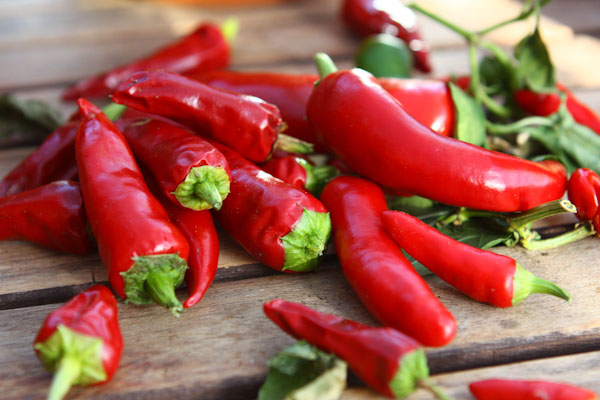
Chillies can also be harvested a little early and they will continue to ripen after they have been removed from the plant. Place the pods in a cool dark place to help them ripen off the plant. Try not to leave them more than 2-3 days. If you are not going to eat them fresh you should consider drying, picking or freezing them.
How to Speed Up Ripening in the UK
The UK’s short, often cool summers mean ripening can be frustratingly slow especially during cooler periods. Below are some tried and tested ways we use to accelerate ripening:
Move plants to maximise exposure to heat and light. A south-facing greenhouse is ideal (see our growing chillies in a greenhouse guide for more details). As nights cool it is worth closing the doors and windows overnight to preserve as much heat as possible.
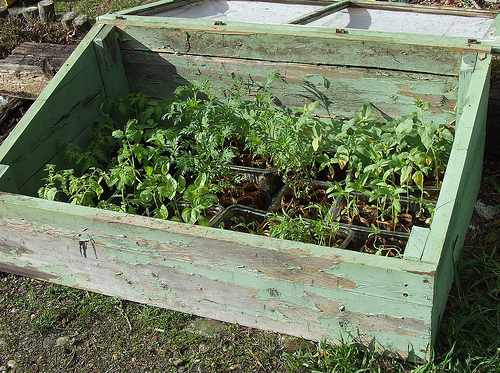
If you do not have the budget or space for a full greenhouse then a mini greenhouse is a great solution. They are great at keeping cool winds off and providing an increase in ambient temperature for the plants inside. We started our chilli growing journey with a mini greenhouse over 20 years ago.
If you are growing outdoors, move pots to the sunniest spot available – against a south-facing wall is ideal as it will absorb and reflects heat. Every extra degree of warmth can make a measurable difference to ripening speed.
Reduce watering slightly. Once fruit has set and you’re waiting for it to ripen, reducing watering very slightly stresses the plant in a productive way. It redirects energy from vegetative growth to ripening the existing fruit. Don’t let plants wilt, but allow the compost to dry out more between waterings than you would normally.
Remove new flowers. If it’s late in the season (August onwards in the UK) and your plant is still setting new flowers, pinch them off. The plant cannot ripen existing fruit efficiently while simultaneously trying to set new ones. Removing late-season flowers concentrates energy on the fruit already on the plant.
Bring plants inside. If outdoor temperatures are dropping below 15°C at night (typically from September onwards in most of the UK) move plants inside to a warm windowsill, conservatory or greenhouse. The difference in ripening speed can be dramatic. A warm indoor windowsill will ripen fruit that might have sat green outdoors for weeks.
The paper bag trick. A lesser-known method: place a ripe banana or apple in a paper bag with some of your picked green chillies. The ethylene gas produced by the ripe fruit accelerates ripening in the chillies. This works reasonably well for varieties that are close to ripe but not for fruit that is still early-stage green.
What to Do With a Glut of Ripe Chillies
A successful season often means having more ripe chillies than you can use fresh. Here’s how to make the most of them:
Freeze them. The simplest option. Wash, dry, and freeze whole in freezer bags. Frozen chillies go soft on defrosting but are perfect for cooked dishes. You can freeze them sliced or chopped too — spread on a tray first so they freeze individually, then transfer to a bag so you can take out exactly what you need. Learn more with our freezing guide.
Dry them. Thread a needle and hang the chillies on a length of string in a warm, dry, well-ventilated spot to form a chilli ristra. A kitchen, conservatory or greenhouse works well. Thin-skinned varieties like Cayenne and Bird’s Eye dry beautifully this way. Alternatively use a food dehydrator. For a simpler long-term preservation method, making your own chilli flakes takes an afternoon and produces something far better than anything from a supermarket jar.
Make chilli oil. One of the simplest and most satisfying ways to preserve a harvest. See our chilli oil recipe for a method that works with almost any variety.
Make chutney. Our famous chilli chutney recipe is one of our most popular posts for good reason. A single batch uses up a large number of fresh chillies, stores for up to a year sealed, and improves dramatically with age.
Pickle them. Our pickled jalapeño recipe works brilliantly with any medium-heat fresh chilli, not just jalapeños. The whole process takes about 20 minutes.
Make chilli jelly. See our chilli jelly recipe for a sweet preserve that works brilliantly with cheese and makes an excellent homemade gift.
Chilli Flakes. Making your own chilli flakes is one of the simplest preservation methods.
Sweet Chilli Sauce. A glut of ripe red chillies makes outstanding homemade sweet chilli sauce — far better than any shop-bought version and ready in 25 minutes.
For a full overview of all your preservation options see our guide to preserving chillies.
FAQ
Can I eat chillies when they are still green?
Yes. Most chillies are perfectly edible at any stage of ripeness. Green chillies tend to have a slightly more bitter flavour than ripe ones and are generally less sweet. Whether to pick green or wait for full ripeness is largely down to personal preference and what you’re using them for as well as of course the variety.
Why are my chillies not turning red?
The most common causes are insufficient heat, insufficient light, or simply variety. Some chillies ripen to orange, yellow or chocolate brown rather than red. If your chillies have been green for a long time and won’t turn, try moving the plant to a warmer, sunnier position or inside to a south-facing windowsill. Reducing watering slightly can also help redirect the plant’s energy into ripening.
Should I pick chillies as soon as they ripen?
Yes. Picking ripe fruit encourages the plant to set and ripen more fruit rather than directing energy into maintaining existing ones. If you have more ripe fruit than you can use fresh, pick them and preserve, freeze or dry them rather than leaving them on the plant.
My chillies have turned red but then wrinkled up — are they still okay?
Slightly wrinkled chillies are past their peak fresh but perfectly safe and still usable for cooking, drying or preserving. Heavily wrinkled or soft and discoloured fruit should be discarded. If you’re regularly ending up with wrinkled chillies, pick them a little earlier and either use immediately or freeze.
Why does my Scotch Bonnet stay yellow instead of turning red?
Some Scotch Bonnet varieties ripen to yellow or orange as their final colour rather than red. If your fruit has been fully yellow for 2–3 weeks, feels firm and smells fragrant, it’s almost certainly at full ripeness. Taste one — fully ripe Scotch Bonnets have a distinctive fruity heat regardless of colour.
How long does it take chillies to change colour?
This is a tough question to answer exactly as there are so many variables at play such as variety and growing conditions. While it can seem to take an age for colour changes to occur, it is reasonable for full sized pods to change from say green to red (variety dependant) in between 2-6 weeks.
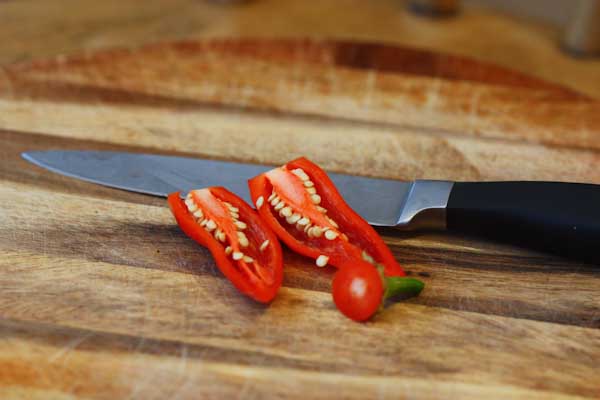

I chop and freeze chilli’s, garlic, ginger & onion.
I spread the zapped (ie chopped in a small blender) item on re-useable baking parchment, on a tray, and freeze for a few hours.
Then, I quickly transfer to a used butter/margarine tub, and return to the freezer.
This gives me free-flow chillies etc, so I can just scoop-out whatever quantity I need.
If you want, you can scour the lid of the tub using a brillo pad, then use a permanent marker to ID and date the contents.
The permanent marker I use can be cleaned off, so you can use the tub again 😉
Hi all. We bought a Quaker parrot for our son. A favorite food of the parrot family are dried chilies, so just out of curiosity i decided to plant a few seeds. Low and behold we now have chilies coming out of our ears. We grow them indoors and not only the parrot eats them but we do too.
Great fun
Hi. love your site, I have a fatalli chilli plant with like 50 green chillis on, in a little polly tunnel unheated, I have had 5 yellow ripe chillis from it already, they are lovelly heat and taste, I picked a green fatalli and tried it, and it tastes almost exactly as a ripe yellow fatalli, so if these green chillis don’t ripen in the next month, can I freeze/dry them still, and just use as if they were ripe yellow ? do you ever do this yourself, thx
Hi
I live in Switzerland and have just grown Mozambique black eyed chilli with great success on my sun terrace….lots of fruit.not sure what to do with my plant should I leave it outside as we have a harsh winter, will it survive or should I take it indoors.
Thanks
Lee
Lee,
If i were you i would be inclined to take it inside over winter. Check out our articles on overwintering for some more specific advice on getting your plants through the winter.
Hi, we have chilli peppers in our garden it is mid September. They haven’t turned red yet, should I Transplant them into a pot and bring them inside? We live in central Michigan.
Dawn,
If you can get them inside in a sunny spot. Heat and light are key to getting peppers to ripen. Good luck!
Hey there, great website!!
I planted some Jalapeno seeds in late October and as we have had a relatively mild summer here in Melbourne Australia, they havent sprouted up until recently.Considering we are now heading into winter, and the nights are becoming quite cold is there anyway of wintering the seedlings over until summer? Im currently moving the pot around as to give them maximum sun however, as the days get colder im really not sure what to do?
Steven,
Over wintering seedlings is not going to be easy unless you keep them indoors and use some sort of grow lights. Good luck.
I have four chilli plants they all have lovely green chillies on them, but non have ripen yet. The thing is they are all growing outside in pots at the moment.. Should I bring them into the garage now. Or pick them and put into a dish and bring into the house.. or leave outside and see if they ripen. From Chilli Queen ..
Cecilia,
If you can move them inside somewhere where they still get lots of light and can be kept warm. Ideally a south facing windowsill or a conservatory would be best to maximise your ripening!
will chilis grow in Canada?
Matt,
Of course they will. However with you’re cold winters I expect you’ll have to start off by growing under glass in the spring like we do here in the UK.
Hi James,
Have got something noshing away at me scotch bonnets , the plant is in a pot where some of the leaves have been noshed as well , any ideas King ? Tried nibbling one meself-no heat as yet !
They are all green.
Kind Regards
Rob C
Hi Rob,
It’s hard to say without seeing pictures? Is it the fruit or the leaves that are being eaten?
I have a couple Scotch Bonnet plants that I was able to keep over winter last year. This year they have been prolific. However one of them seems to be producing yellow Scotch Bonnets when last year they were red. Is this common for them to change colour and is there a difference in taste as I have not tried one of the yellow ones yet.
Also how many time can a Scotch Bonnet plant be kept over winter?
Wardy,
This sounds strange. Are you sure the yellow pods won’t ripen through to red? Maybe you just missed the in between stage last year?!
Well, my oldest scotch bonnet plant is 5 years old now. I trim the roots every year and re-pot it into fresh compost. If you look after your plants they’ll reward you back!
I have two 3yr old Cayennes that never let me down. Mid Sept and still outside and giving lots of nice chillis. But as soon as I put my Jalopenos outside they died.
That’s a shame. My Jalapenos have done really well outside this year. Maybe you should have hardened them off a bit first (out in the day but bring them in over night for a week or two) so they got time to acclimatise.
Paul,
I grow chillies for fun, not ever having had a taste of one, but my scotch bonnets have been green for a long time. How much longer should I wait for them to turn red, assuming that is the time for picking. They are all in a non heated green house, but are watered every day.
Your valuable thoughts would be appreciated.
Mike
Mike,
Sometimes I find ‘under watering’ slightly can be good for chillies – some say it improves the heat levels. Patience is the only thing you can employ in this situations. You’ll find that once one pod starts to ripen, they will all start to turn.Good luck!
Hi there, we have both Jalapeño and scotch bonnets growing and look almost ready. Not bad for first timers yum yum! Gonna make some sauces as well as adding to pizza ect. Anyone ideas pls. (Also thinking of bottling in olive oil).
Try drying your chillies then grinding then with Himalayan rock salt and using it in cooking or at the table.
I have grown some yellow scotch bonnet peppers and I accidentally picked one that was not completely ripe. Will it continue to finish ripening on its own?
Jeremy,
It should continue to ripen a little before it starts to spoil. Try and keep it in a cool dry place to prolong it’s shelf life!
Good site. I currently have scotch bonnets, ghosts, nagas, morugas and satans kiss growing. They weren’t producing fruit only flowers. Took a small fine paintbrush to each flower to help then pollinate (some say they should produce themselves but this had always helped me) and with in a week they are fruiting like mad.
i have grown some scotch bonnets when are they ready to pick some of them are large they are still green should i wait till they change colour
Paul,
It can seem to take forever for them to ripen. You can try them green but they’ll be better with more flavour if you wait for them to ripen fully.
Hello guys and girls. Im new to growing chillis my plant has started to fruit but im not sure what type i have. My plant is about 25 30 cm tall producing white flowers, then fruits. The chilis are dark green And about 2 or 3 cm long but quite chunky ? Any idears people? Also is there any way to put A pic up for you? Cheers chris
They sound like maybe Jalapeno peppers?
Great site! I’m completely new to growing chilies and have one small apache plant which seems to be very happy in the garden! It’s only about 20cm high and fruiting like mad! Lots of green chilies about 4cm in length! How big do they get and when is best to harvest them? Many thanks
Faye,
Glad you have caught the cilli bug! Apaches tend to grow to about 3-5cm n length and are ripe once they’ve turned red. Apache chilli plants are great in that they crop heavily, grow quickly and put up with the British climate really well.
Happy growing!
thanks first time i’ve grown finger green chillies they are just coming out looking foward to tasting them.mmmmmmmmmmmm
Hi, great site, thank you, very useful and helpful. This is the first year of my Royal Black Chillies fruiting, (window sill in the UK) and I’m not so worried about the colour (presume black or turning fine) when they are ready but should they come away easily when ripe? Thanks in anticipation.
Hi Brie,
Glad you like the site and find it helpful. With most varieties of chillies you’ll need to snip the fruit off when ripe.
perfect, thanks.
I bought a chilli plant in the supermarket and have been keeping it inside on a window sill in the UK. There was no variety specified but I’ve identified it as most likely a bird’s eye plant, except the chillies grow upwards. Since i brought it home i have harvested some chillies that were already on it and it has flowered with new chillies growing successfully, however I’m finding they are turning from green to red when they are still extremely small, some around 1cm long. Is there anything i can do to help them grow to full size before ripening? Thanks for any advice you can offer me.
Maybe it is not a birds eye chilli plant. From the sounds of it you may have a Demon red plant. Check out my recent post on them.
Hi
i have an Enony Fire chilli plant ..the picture that came with it has red and black chillies on it …when and what colour should i pick these …i am hoping to get hot chillies
thanks ..wendy
Wendy – I believe Ebony chillies mature from the black/purple colour through to red. You’re able to eat them at any stage though they’re technically not ripe until they are red. The heat and flavour will probably change as they ripen to try one of each colour and see which you prefer.
I have a few Scotch Bonnet plants that have produced fruit, How do I know when they are ripe? One has been yellow for about 3-4 weeks, is this ripe?
NatteJ – What variety of Bonnets are you growing? Most ripen through to red but you can eat them when yellow.
I am growing a few varieties of Chillies in my garden in Durban South Africa. This is the first time I have grown chillies and they sure take a while to ripen. Planted seeds in July and first chilli to begin ripening was December.
Biggest problem I have is pests eating the leaves and the newly formed flowers. This is really stunted the growth of some of my plants.
yup, pests like aphids sure can ruin a plant if they are left to do too much damage. one simple remedy is to try spraying the infected plants with a weak soapy solution – aphids hate this.