≡ Menu

When are my chilli peppers ripe? This is one of the most common questions we receive here at The Chilli King. In this post we will give you some tips to help you pick your chillies at the right time. This will enable you to maximise both the flavour and yield of your chilli crop.

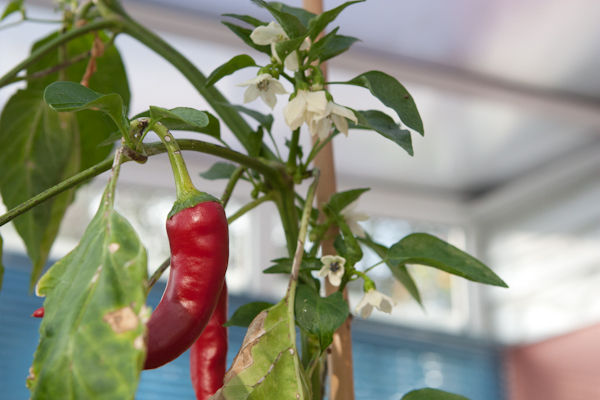
As a general rule you can usually eat chillies at any stage of ripeness. Most varieties tend to ripen from green to dark brown to red/orange/yellow. Perhaps the best known example is the humble jalapeno which most people either think of as either red or green. In fact these are the same variety of Jalapeno, just at different stages of ripeness.
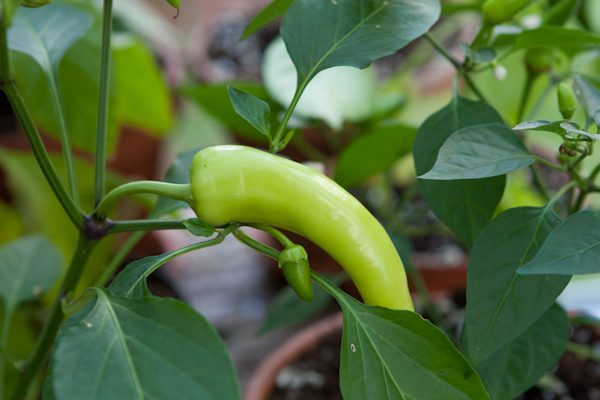
UnRipe Cayenne Chilli

Ripe Cayenne Chilli

The fruit of chillies can generally be eaten at any stage of the ripening process however the flavour will change as the ripening process occurs. Green fruit tend to be slightly bitter. As they ripen further to orange/red they tend to sweeten in taste.

There are no set rules and every chilli variety is different so be warned of generalisations. The best way to know when your fruit are ready to ripen is to try and taste them at different stages. For example I tend to pick jalapenos red if i’m using them fresh but for pickling I find the taste is better when they are green.

[ad name=”square”]

When your chillies are ripe it is definitely worth you while picking them as opposed to leaving them on the plant. The more peppers you pick, the more the plant will direct it’s energy to set or ripen additional fruit. If you have a surplus of peppers do not leave them on the plant. Instead pick them and look at different ways to preserve and store your chilli crop.
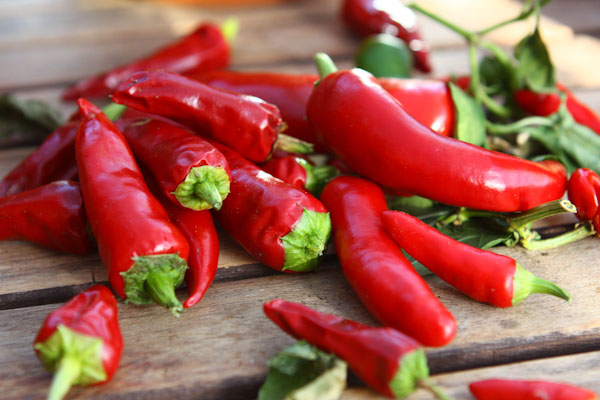
Over ripe chillies

Chillies can also be harvested a little early and they will continue to ripen after they have been removed from the plant. Place the pods in a cool dark place to help them ripen off the plant. Try not to leave them more than 2-3 days. If you are not going to eat them fresh you should consider drying, picking or freezing them.

During the growing season it can sometimes seem that your chillies take an age to ripen. To help speed up the ripening process you should try and supply the plants with a consistent amount of heat and light. Ideally a greenhouse will provide the optimum conditions, if you don’t have one a small plastic greenhouse will certainly help.
45 comments

About a week ago i noticed that one of my plants (an orange habanero) was infested with aphids.

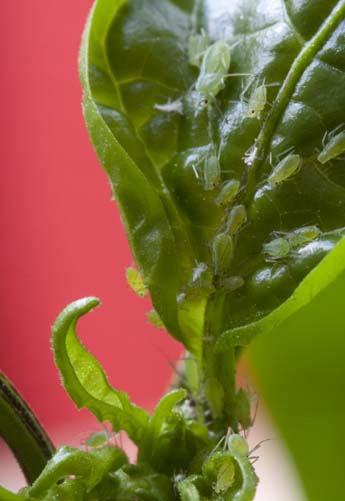
Aphids on Habanero

Aphids (sometimes called green plant lice) are small (usually, though  they can vary in size quite a bit) green insects that feed on plants mainly in temperate regions. They quickly multiply and can be very destructive, usually feeding on regions of new growth on plants.

To the right is a picture I took of the habanero plant in question. You can see that the aphids are focused mainly on the areas of new growth. I’ve found in the past that they simply demolish the new leaves/flowers as they emerge and if left to do this they’ll eventually kill the plant.

Getting Rid of Aphids – Tips & Tricks

Spraying your plants with a weak soap water solution to remove/deter aphids can work well. However I don’t like using this technique too often on edible plants. It can also leave your plants with a stick white residue from the soap suds.

Using insecticides to kill aphids will also kill the predators that eat the aphids. This means you’ve only got a short term solution to the problem.

This year I decided that i would opt for a much more natural approach to my aphid control. I tried to attract the natural predators of aphids which include ladybirds, hover-fly and crab spiders amongst others.

Natural Solutions To Aphids

Much has been been made in the press recently about the invasion of harlequin ladybirds and how they are putting many species of insects at risk of extinction. Well the good news for us chili heads is that ladybirds are the number one predator of aphids.

So your number one strategy should be to attract more ladybirds. Believe it or not the easiest way to get more ladybirds onto your chillie plants is to simply buy ladybirds via the internet! I did this a couple of weeks ago and have had great success. I simply put the infected plant into the greenhouse and released the lady birds inside. Within two days the problem was gone!

Of course there is no guarantee that the ladybirds will stick around once they have no aphids left to eat.

Long Term Aphid Solutions

A longer term prevention strategy that has proved very effective to a good friend of mine is to buy a ladybird tower which provides any passing ladybirds with a ready made home in which to nest, ensuring you have an on site population of aphid munching beasts.

I’ve bought one of these little contraptions and placed it in the garden.  After a few weeks ladybirds moved in and regularly inhabit it. This means my garden is likely to have more aphid predators than before.

40 comments

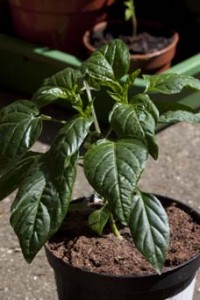
As mentioned in my last update I put my plants under a cfl grow light to give them a boost having started off this season so late. As you can see from the pictures the plants have made great progress under the lights

At the weekend I re potted the plants from the 3″ plastic drinking cups they were in to either 6″ or 8″ pots depending on the size of the plants.

Varieties I am growing this year are:

  • Bulgarian Carrot
  • Orange Habanero
  • Chocolate Habanero
  • Apache
  • Super Chilli F1
  • Scotch Bonnet

So far the best looking plants are the Bulgarian Carrots, Scotch Bonnets and the Orange and Chocolate Habaneros. The Scotch Bonnet has started to produce a few flowers which is pleasing as they can take quite a while to flower and fruit.

Unfortunately the downside to re potting into larger pots is that they no longer all fit under my 125W gro light. As a result some of the plants have moved out of the cellar and into a mini greenhouse outside. It will be interesting to compare the different growth rates between the two sets of plants. The big downside is that our current garden is very small and doesn’t receive a huge amount of direct sun light thanks to the neighbouring buildings (not to mention the unreliable British weather!).
[ad name=”square”]

0 comments