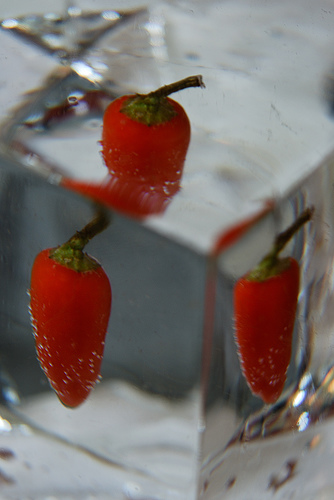
Freezing peppers from the garden is one of the easiest and most effective ways to preserve your chillies, allowing you to enjoy your homegrown peppers throughout the winter, and if you are lucky right through until next years crop is ripe.
All varieties of both sweet peppers and hot chillies freeze well so long as you follow some simple advice.
Why Bother To Freeze Your Peppers?
If you are growing peppers in a relatively cool climate like me (Northern Europe) you will be only too aware that the growing season is limited. Slower growing varieties such as Habanero, Naga, Scotch Bonnet etc take several months to grow to maturity. The fruit take several weeks to ripen. As a result many of us chilli growers end up with a large glut of ripe fruit near the end of summer.
Freezing them reduces waste and ensure we have a supply of chillies to use throughout the rest of the year. Freezing is easy to do and preserves much of the nutritional value of the fruit.
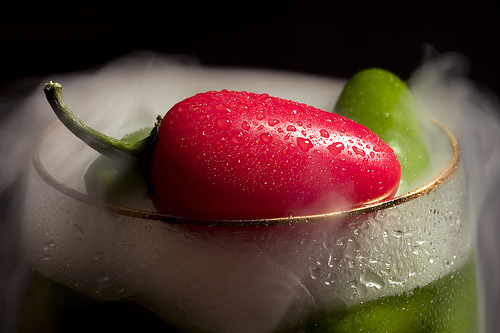
image by jeffsmallwood
I’m ashamed to say that in the first year or two I wasted quite a few peppers by either not picking them when ripe (which stimulates the plants to grow more) or simply not using all of the fresh chilies I had picked. The key then is to pick preserve your chilli peppers so you can use them throughout the year.
There are many different ways to preserve them but in my opinion frozen peppers taste the freshest in cooking and the nearest you’ll get to a fresh pepper in the winter. So if you want to try and retain that fresh pepper taste year round freezing is your best option.
How To Freeze Chillies
- Wash and Dry Your Chillies
The first and most crucial step in freezing any vegetable is cleaning them properly. Here’s how to prepare your chili peppers:
Rinse: Wash the peppers thoroughly under cool, running water to remove dirt.
Dry: You can help them to dry quickly by spreading them out and lightly patting with a tea towel or paper towels. Residual moisture can cause freezer burn, so it’s essential that the peppers are completely dry before freezing. I leave them to air dry for a couple of hours to be safe.
2. Decide Whether to Freeze Whole or Sliced
There seems to be a lot of debate about whether you should slice your chillies prior to freezing or not.
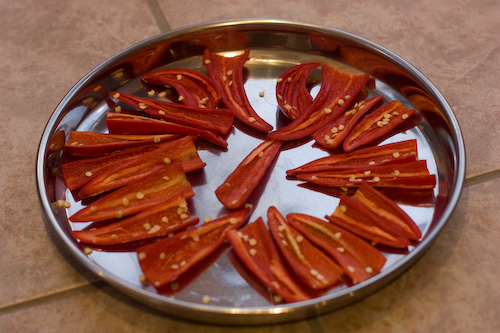
For larger varieties or some crops that have large internal membranes with loads of seeds you can opt to slice them in half and de-seed them prior to freezing. The choice of de-seeding or not is purely yours, I tend to do what I would do if i were using the chillies fresh.
When freezing your peppers they can sometimes freeze together inside the freezer bags or containers into a big solid chilli ball which is rather unhelpful. To avoid this I first lay out the chillies on a backing tray and place in the freezer for 2 hours.
Once frozen I remove them and bag them up into sealable freezer bags or tuper ware containers before popping back in the freezer. Be sure to label the freezer bag with the variety of peppers/chillies and the date you froze them.
3. Decide Whether to Remove the Seeds Prior to Freezing
We get a lot of questions about whether you should take the seeds out of chillies before freezing them. There isn’t a right or wrong answer to this one. Personally I let the size of the pepper dictate what i do.
For regular sized varieties like cayenne, habenaro etc I tend to just freeze them whole. Seeds can usually be removed easily if you slice them when frozen prior to cooking.
For larger chillies and sweet peppers I tend to remove the seeds and pith prior to freezing. If you leave them in I find this can leave a bitter taste behnd even if you remove them prior to cooking.
4. Blanching (Optional)
Blanching is a quick process of boiling and then rapidly cooling vegetables. This stops enzyme activity, which can cause flavor and texture changes over time. While chilli peppers don’t necessarily require blanching before freezing, it can help preserve their color and texture, especially if you’re planning to freeze them for over 6 months.
Here’s how to blanch chili peppers:
- Bring a Pot of Water to Boil: Fill a pot with water and bring it to a boil.
- Prepare Ice Water: Fill a large bowl with cold water and ice.
- Prepare the peppers: Slice and de-seed the peppers
- Blanch the Peppers: Drop the peppers into the boiling water for 1 to 2 minutes.
- Cool Quickly: Immediately transfer the peppers into the ice water to stop the cooking process.
- Drain and Dry: Remove the peppers from the ice water and dry them thoroughly.
To be honest I only blanch larger varieties when my intention is to roast them at a later date. As mentioned above this helps them to keep their texture and colour. When I’m going to use them in soups, stews etc find there is no need.
What to Store Frozen Peppers In?
The simple rule is to use airtight containers. I usually use one of the following options:
Freezer/Zip Lock Bags: These are great for smaller quantities. Be sure to remove as much air from the bags as possible to avoid freezer burn.
Tupperware boxes: Air tight tplastic or glass containers are erfect for larger quantities. Use good quality plastic containers as some cheaper ones can degrade and breakdown in low temperatures.
How Long Do Frozen Chillies Last?
Again a tough one to answer. Consult the manual of your freezer and it will probably say fresh fruit and vegetables should be used within 3 months of freezing. Personally I have used frozen peppers that have been frozen for over a year or two and have not had any problems or experienced any loss of taste.
To maximise their life be sure to dry them thoroughly prior to freezing and use airtight containers.
To use them simply take them out of the freezer and chop them as if they were fresh. Once finely chopped you’ll find they defrost in a couple of minutes.
A Quick Tip: Use Ice Cube Trays
If you always tend to use finely chopped chillies when cooking then it can make a lot of sense to chop them prior to freezing them and split them into portions of similar size to what you use in cooking.
One great way of making frozen chillies easier to cook with is to put freshly chopped chillies into an ice cube tray with enough water to cover them and freeze. Next time you are cooking and want some chilli just pop in however many chilli cubes you need.
This method doesn’t really make sense if you have a lot of pepper to freeze however it will save you time when cooking later on!
image by bigtypelittletype