≡ Menu

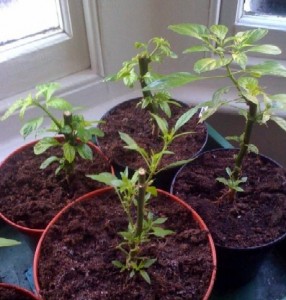
Well it has been almost a month since i brought my chilli plants inside to overwinter them. As you can see from the photographs below they have burst back into life since i chopped them back in the middles of October.

Overwintering Chillies

There are two main reasons the plants have sprung back to life:

  1. Heat: The plants have been moved from the cool/cold temperatures of October into my living room which is usually a round a steady 18 degrees.
  2. Light: Most of the plants i am attempting to overwinter were in a rather shady part of my garden which got very little direct sunlight. The windowsill where they have been moved to is south facing so receives a fare amount of any sunshine the UK Autumn has to offer. As a result (despite the days getting shorter) they are probably receiving about the same, if not more light than they were a month ago.

I expect that as the daylight hours continue to reduce (as winter draws in) the plants growth will slow if not stops and perhaps the plants may shed their new found leaves.

I’ll post another update in a month or so with some progress on how the plants are doing.

[ad name=”square”]

5 comments

Now that it looks like winter is fast approaching, i thought it was about time i started preparing some of my plants for the winter. As mentioned in our over wintering chillies article most chillies are not annuals as most people think. By taking your chilli plants you can get a massive head start on next season meaning you get many more ripe chillies, much earlier in the season.

I selected nine of my strongest, healthiest looking chilli plants; 3 Chocolate Habanero, 2 Orange Habanero, 1 birds eye, 1 Apache, 1 Bulgarian Carrot and 1 Super Chilli F1. I expect the most benefit to come from the habanero plants as they have taken so long to produce ripe fruit this year.  By having established plants in early spring next year I should hopefully get many more fruit from these slower growing varieties.

The first job was to remove all of the remaining fruit from the plants. Due to the cold weather the plants were barely ripening any more fruit so those harvested that are unripe will have to now ripen off the plant. The ripe chillies will either be eaten in the next couple of weeks or frozen for use throughout the winter.

As you can see from the picture below many of the habaneros (even some of the ripe ones) are still very small. Actually these small habs are a great size to throw in to a dish without making it too hot. In fact because i was late planting my chilli seeds this year these were the first pods I have taken off some of my plants!
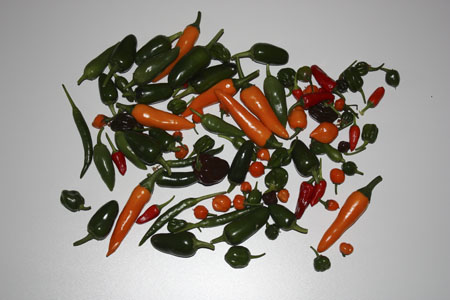
Late Season Harvest

In order to get the chilli plants to survive the winter i cut them back severly so that the plants won’t waste any energy in the winter trying to keep their foliage or ripen their fruit.
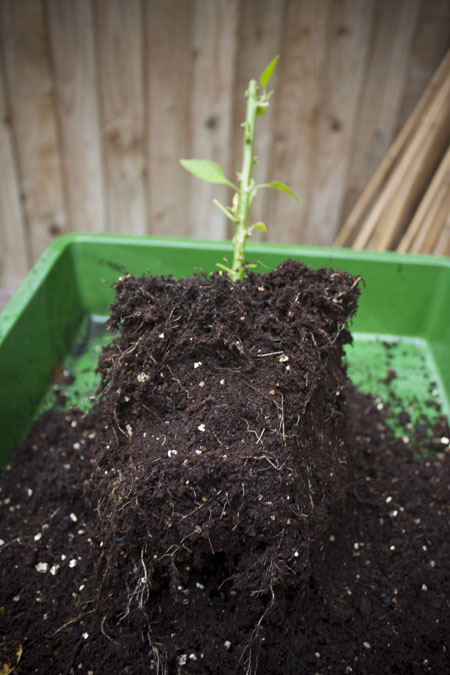
Trimmed The Roots

As you can see in the above photo I cut the stem back so that only about 10-15cm remained above the root ball.  This seems incredibly harsh but is necessary to increase your chances of getting the plants through the winter.

In addition to trimming back the stem I also gently knock some of the old compost out of the root ball and in some cases trim back the root ball slightly. Next i simply put the plant back into the pot with some fresh compost (this will help the plants early season growth next spring).
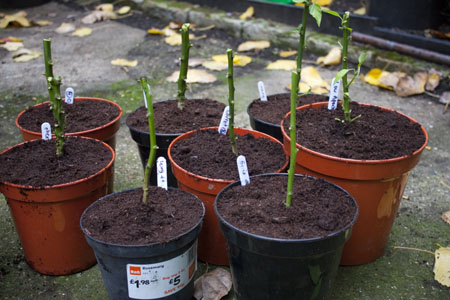
Ready For Winter

I’ll now move the plants indoors and place them near a south facing windowsill to maximise the amount of light they get and ensure they receive a nice constant warm temperature throughout the winter.

The plants wont need a huge amount of water over the winter so i’ll just make sure they don’t dry out, watering maybe just once a week.

Remember to keep the labels with your plants so come next spring when the plants burst back into life you know which are which. I’ll post back with an update later in the winter!

[ad name=”square”]

15 comments

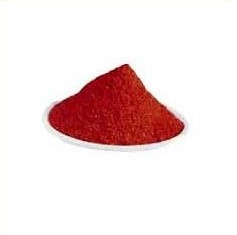
We’ve had a couple of emails lately from people asking how to make chilli powder so we thought we’d put together a bit of a guide. Below is a summary of the main chilli powder ingredients used and instructions telling you how to make your own powder.

Making Chilli Powder

First of all you need to wash and dry your chillies. Next simply remove the stems, cut in half and possibly remove the seeds. Leaving the seed in will tend to increase the heat levels of your chilli powder but can add a slightly bitter taste. (I usually take the seeds out and opt for flavour over heat. Unless you are using very mild chillies the powder should be hot enough anyway!).

Chilli Powder

The first stage is to dry your chillies out. Unless you have a food dehydrator place the chillies flat on a baking tray and place in the oven at about 150 degree Celsius for about 3-4 minutes. Check and remove any chillies that are dry. You will probably have to leave any larger peppers in for longer as different varieties and sizes of chilli will take different times to dry. Be sure to keep checking regularly though as you do not want to burn them.

With most chilli powders i make I add a small amount of cumin (usually about 1 part cumin to 10 parts chilli). To do this simply add your cumin seeds to a hot dry pan (no oil) and toast for a few minutes. If your pan is not they’ll only take 2-3 minutes to toast. As soon as the seeds start to darken remove from the heat and grind in a pestle and mortar.

Once your cumin and dried chillies have cooled add them to a chilli grinder, old coffee grinder or blender and pulse for about 30 seconds. Again depending on your mix they might need longer than this so adjust the time accordingly.

[ad name=”square”]

Which Variety of Chillies to Powder

As mentioned above by changing the varieties of chillies you use in your powder you can drastically change the flavour. Try adding some chipotles (smoked jalapenos) for a real smokey flavour or habaneros foir a fruity yet hot taste. The great thing about chilli powder is you can play around with different combinations depending on what types of chillies you have to hand.

Storing Chilli Powder

Generally chilli powder can be stored for well over a year if stored correctly. Store you powder in an air tight jar or pot and keep it out of the light, ideally in a dark cupboard. If you end up making large quantities of chilli powder then you can successfully freeze it. When doing so be sure to put it in an airtight freezer bag (doubling up on bags is a good idea).

0 comments